Almach Labs
Design System
0-1
B2B

Here’s a 1 min TL;DR version
My Role
👤 Solo UX designer responsible for building the entire design system from scratch
👥 Led system architecture, component design, and developer collaboration while working with a PM and 3 developers
Solution
We delivered a scalable, accessible component library with 50+ reusable components, design tokens, and comprehensive documentation that unified the B2B platform.
Impact/Results
🚀 Reduced feature rollout time by 36% (from 14-18 days to 7-10 days)
♿ Made the platform WCAG 2.1 AA compliant, fixing 24 accessibility violations
THE CHALLENGE
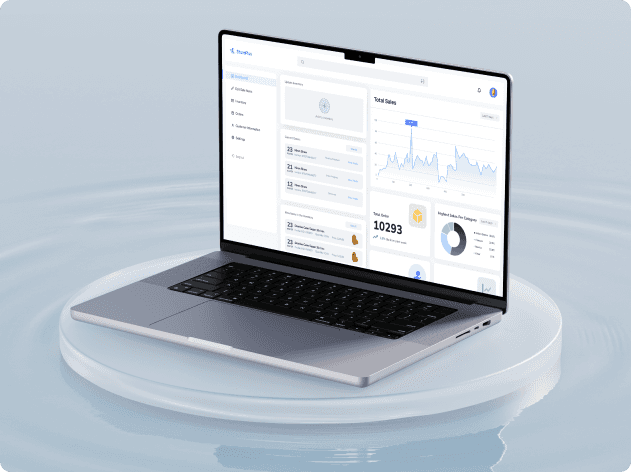
Almach Labs was building StorePlus, a platform connecting wholesalers and retailers. When I joined as their first design intern, the product had 28 screens with 7 different button styles, no shared component library, and developers were rebuilding forms from scratch for every feature.
BUSINESS CHALLENGE
Without a design system, the company faced specific problems:
Increased design and dev time across features and teams
Feature development stretched from 2 weeks to 4-5 weeks
Retailers complained: "I can't tell which buttons are clickable, some look like headers"
The PM spent 5+ hours per week on auditing the designs
The product would become unmaintainable within 6 months at this rate.
We need to prioritize a method that is 100% modular to adapt to the constant updates across our products.
-Product Manager
BREAKING DOWN THE PROBLEM
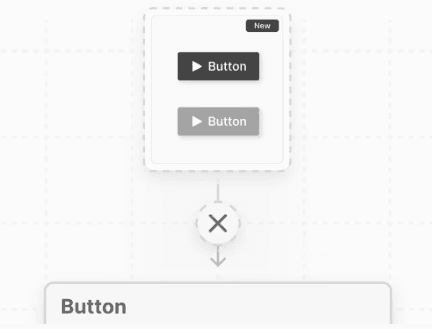
Inconsistent UI
Buttons, chatbars and labels appeared differently across versions causing mistrust among users
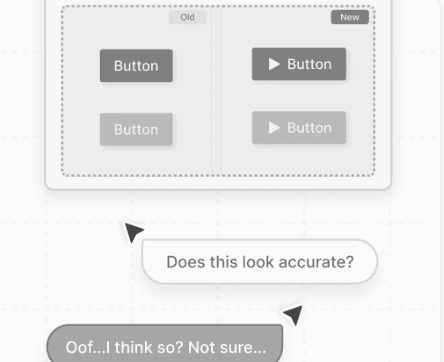
Scalability Risks
Every new feature risked adding more inconsistency without a shared system
Accessibility Issues
24 WCAG violations evaluated; Components needed to be redesigned to meet complaince

HOW DID I CONTRIBUTE?
Audited 28 screens to identify all inconsistencies and components
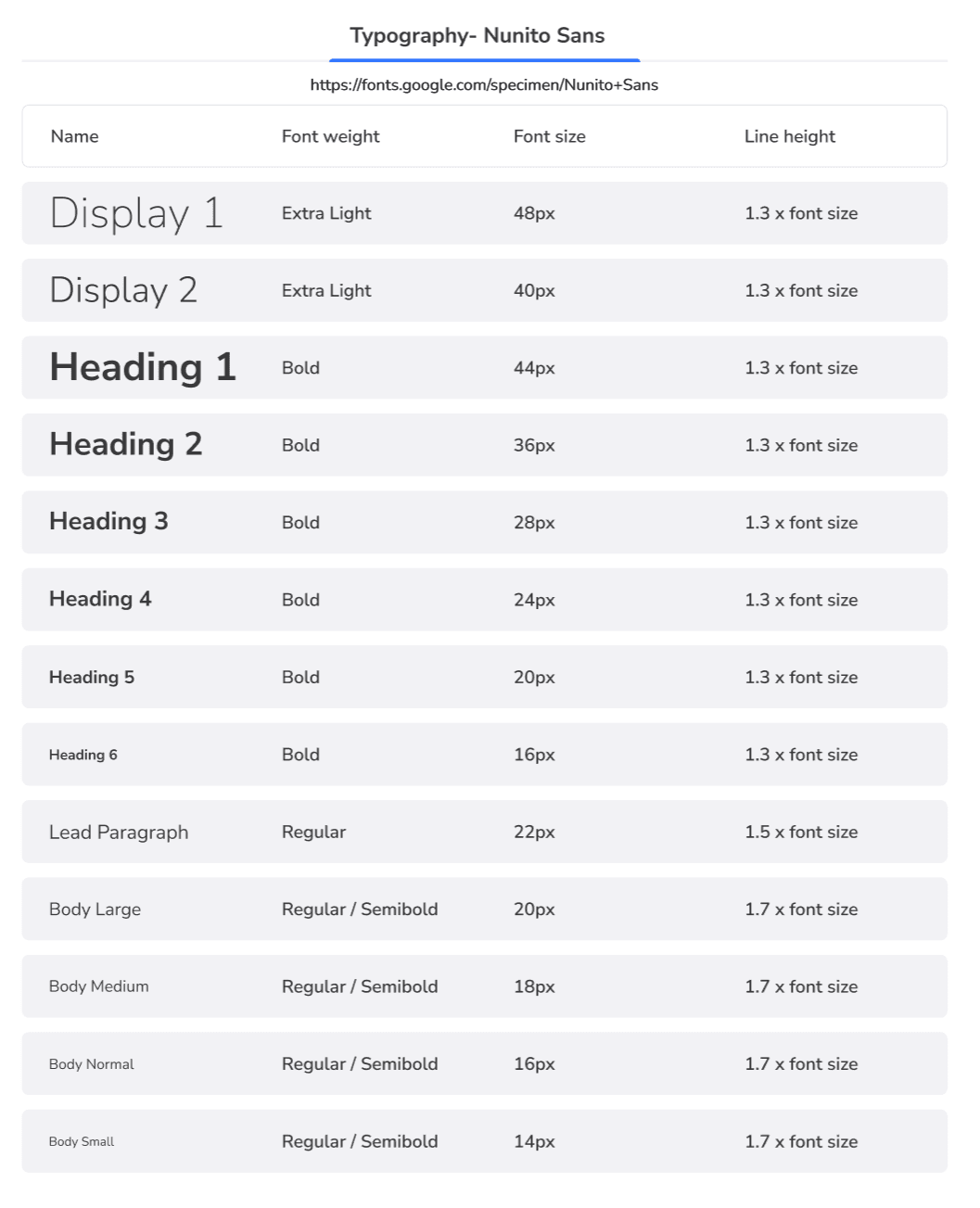
Built design foundations: typography, color, spacing, and accessibility guidelines
Designed 50+ production-ready components with all states and variants
Participated in weekly critique and validation reviews with Product Manager and Developers
Designed and delivered production-ready components that fit the unified library
Created comprehensive documentation for developer handoff
APPROACH
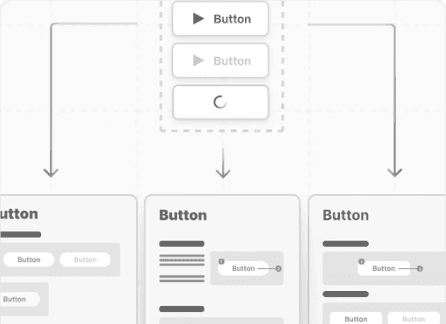
Using Brad Frost’s Atomic Design Principles, I created a system that designers and developers could both trust and scale with
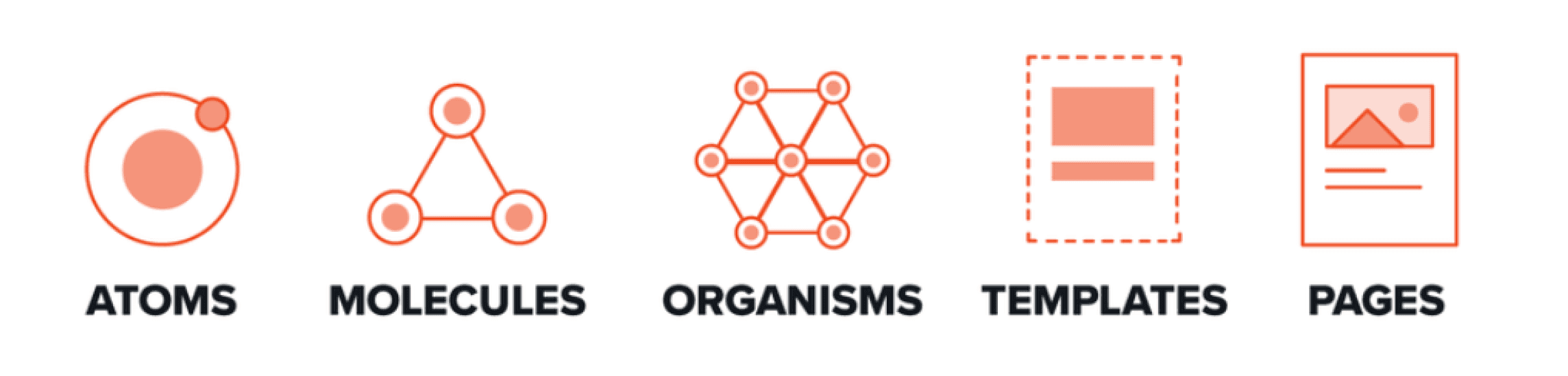
Brad Frost’s Atomic Design Principles
THE SOLUTION
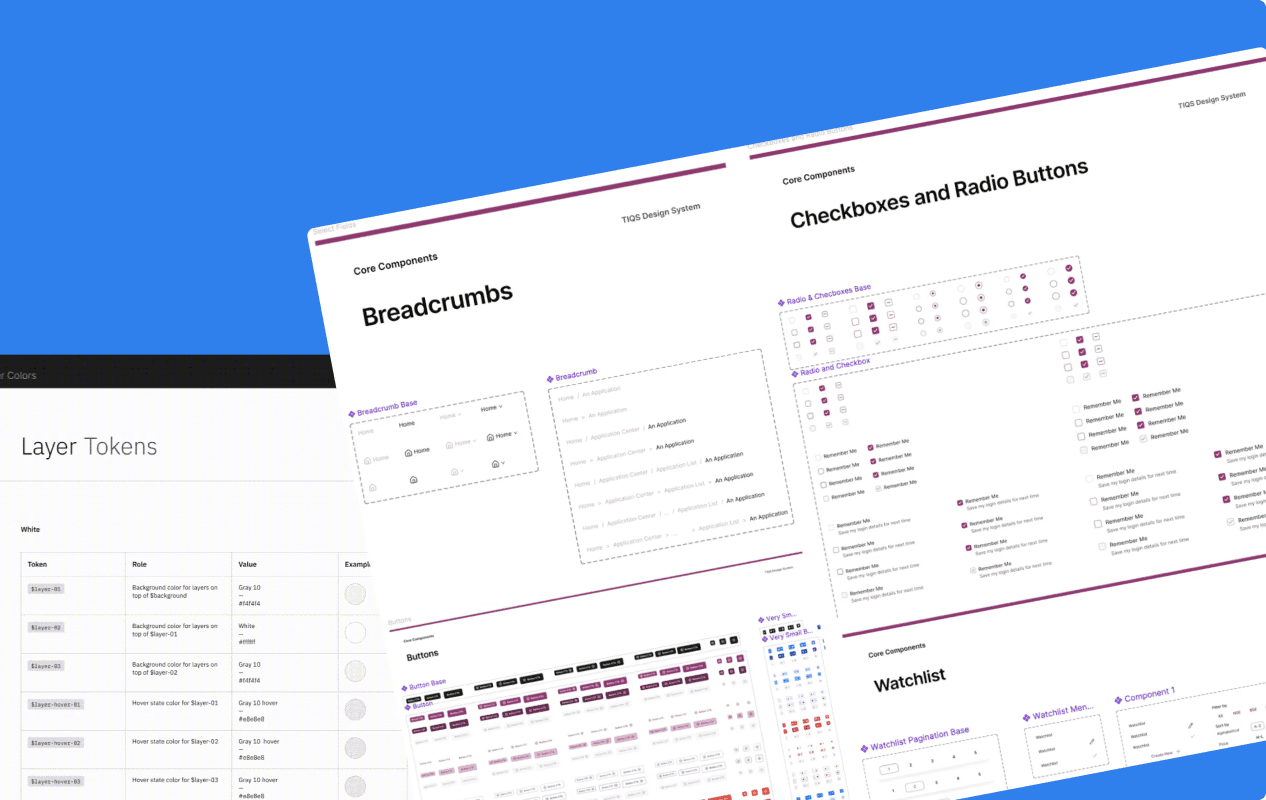
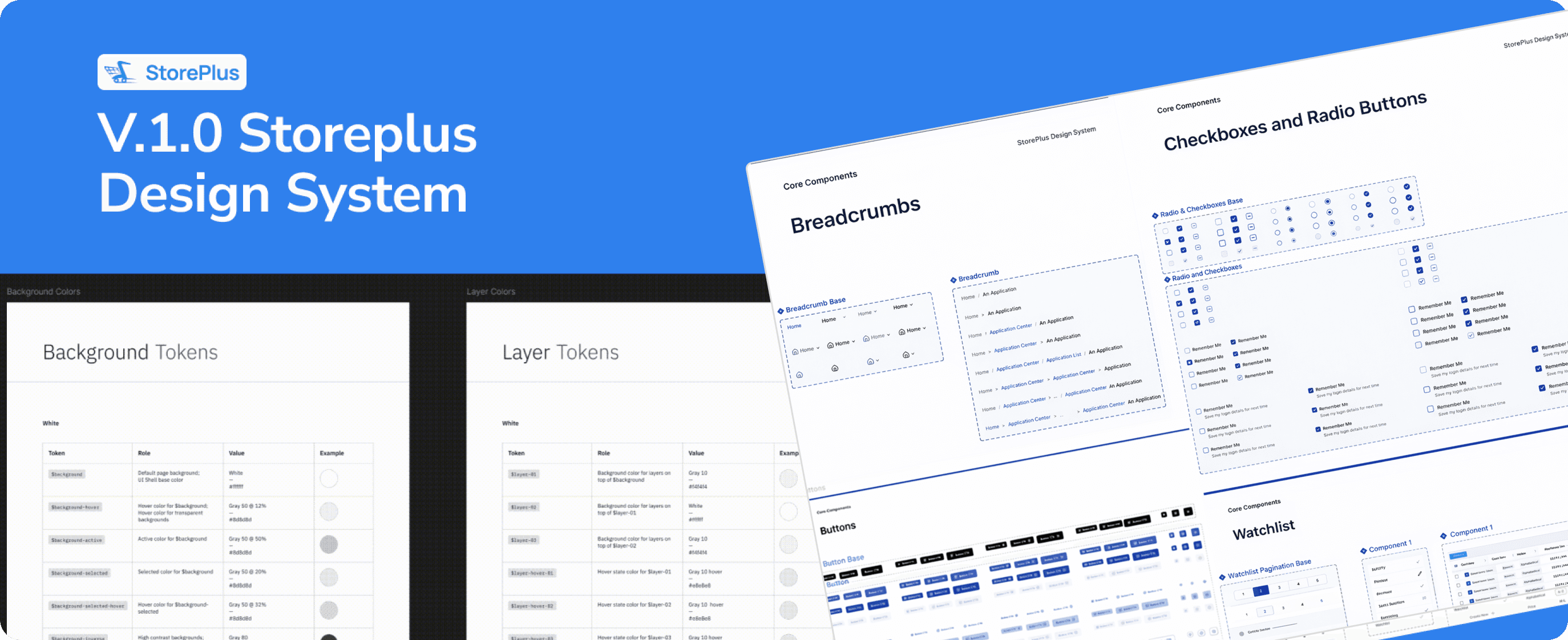
A cohesive design system
Typography
Icons
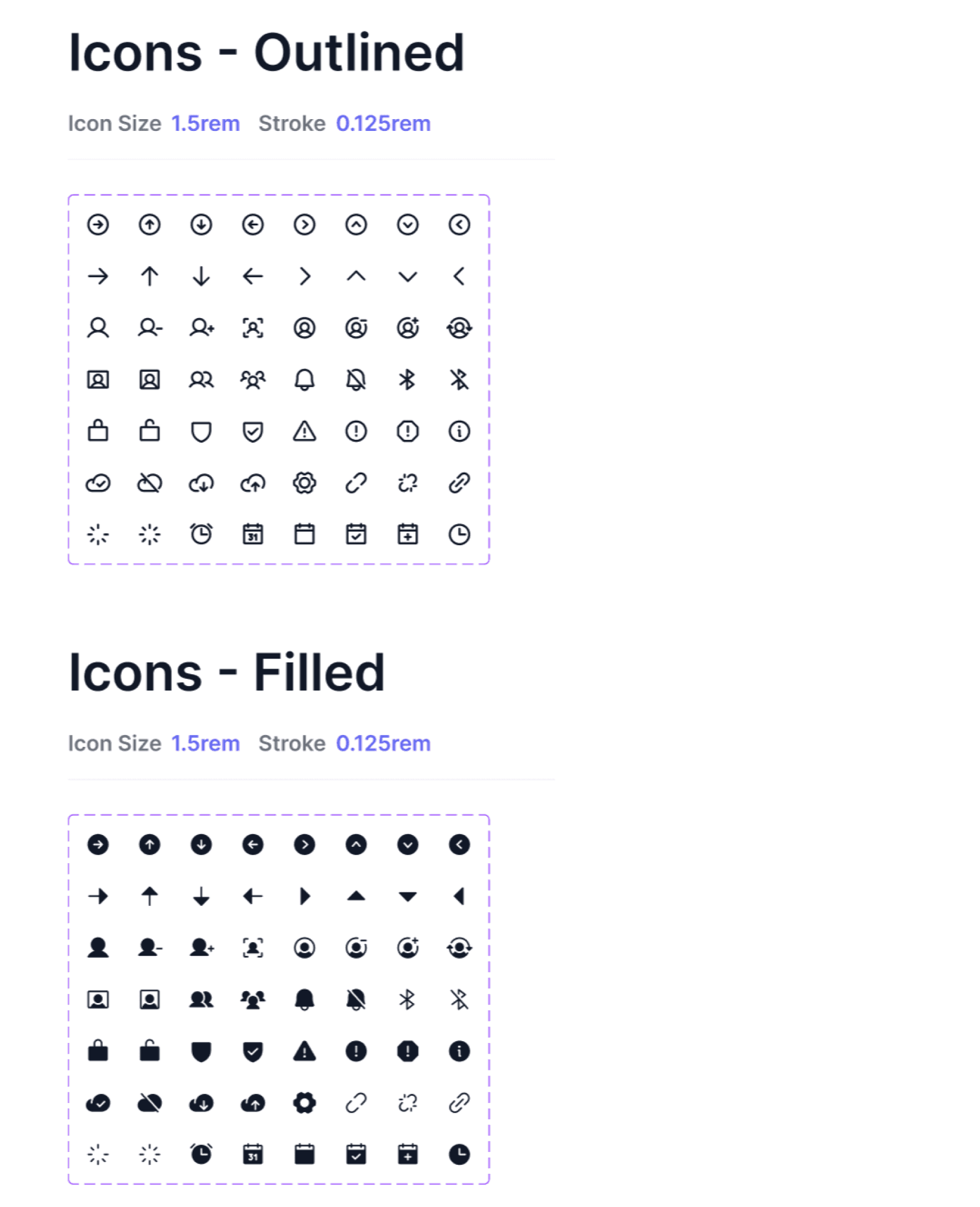
Colors
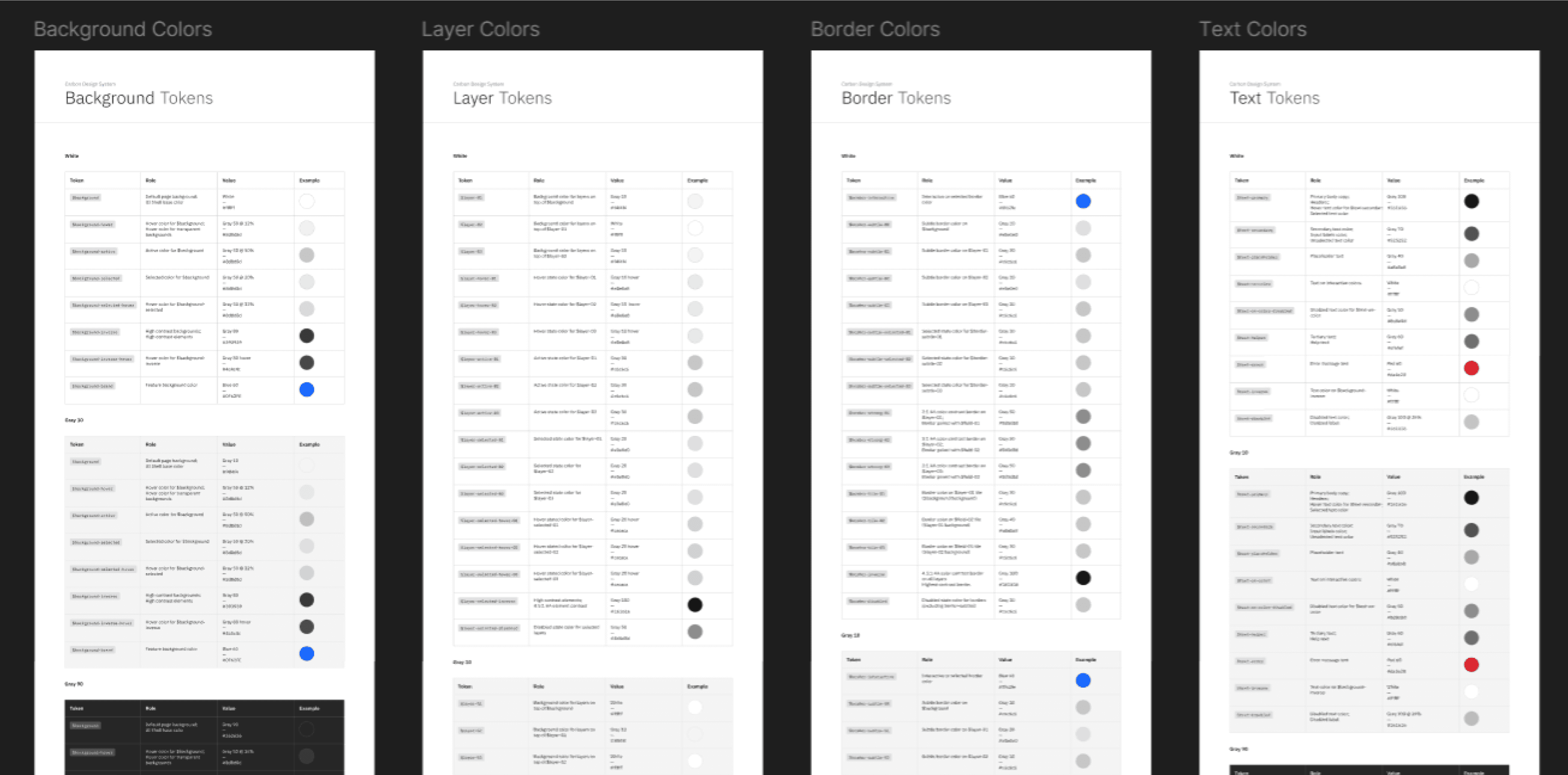
Core Components
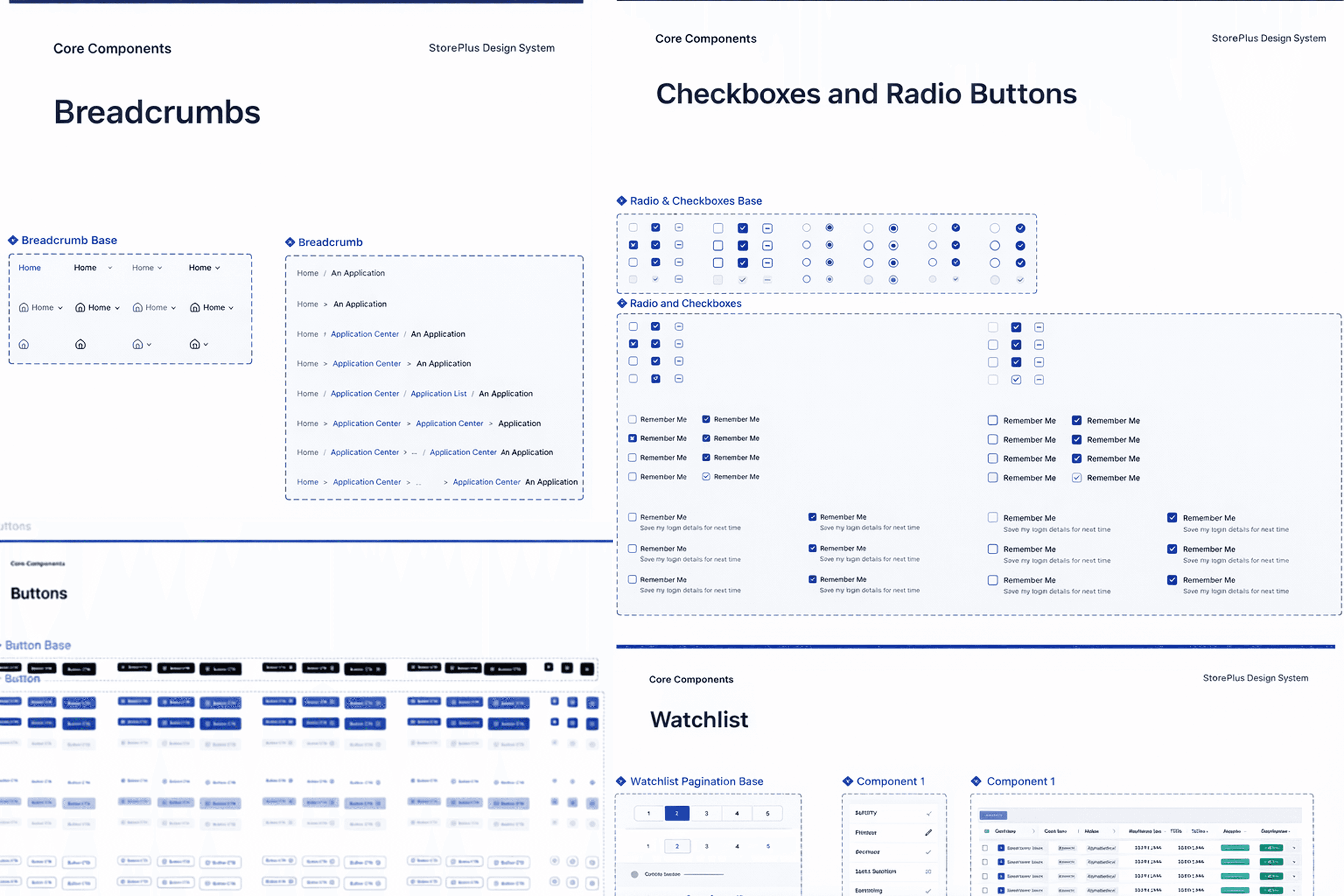
THE IMPACT
50+ reusable components
Shipped across chat, dashboards, and insights

30% faster ideation cycles
from concept to prototype
36% cut in feature roll-out time
from handoff to implementation
KEY TAKEAWAYS
Taking the time to reflect