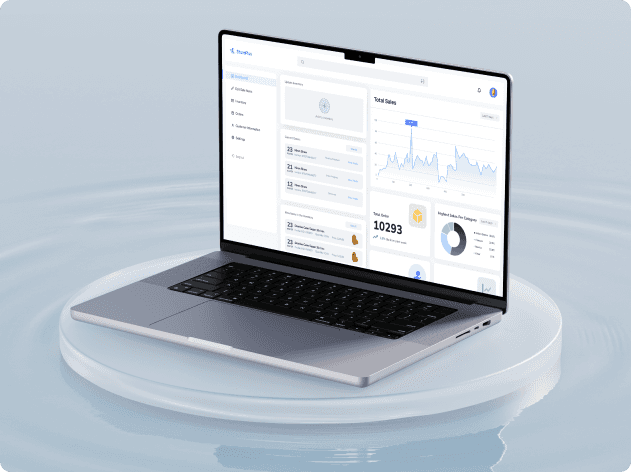
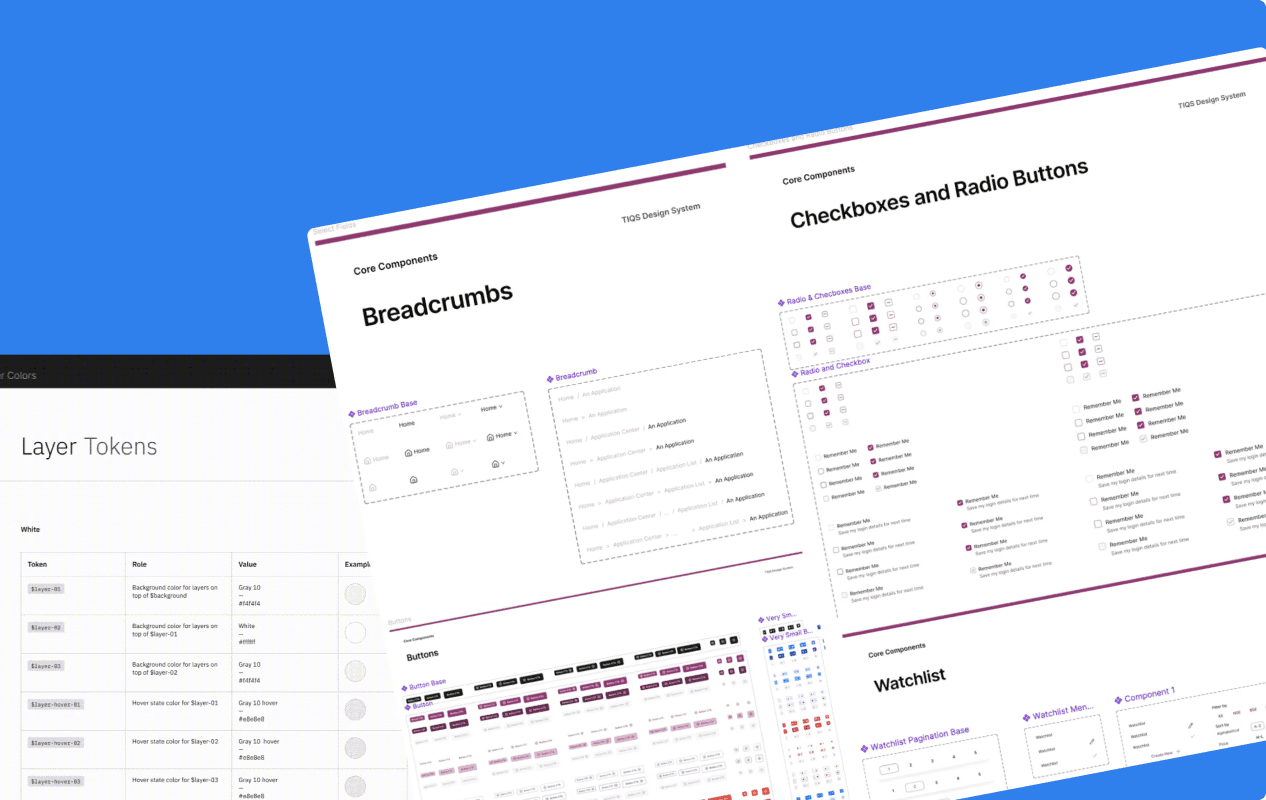
Redesigned Storeplus Order Tracking for faster warehouse operational workflows
B2B
Enterprise Tool
Shipped

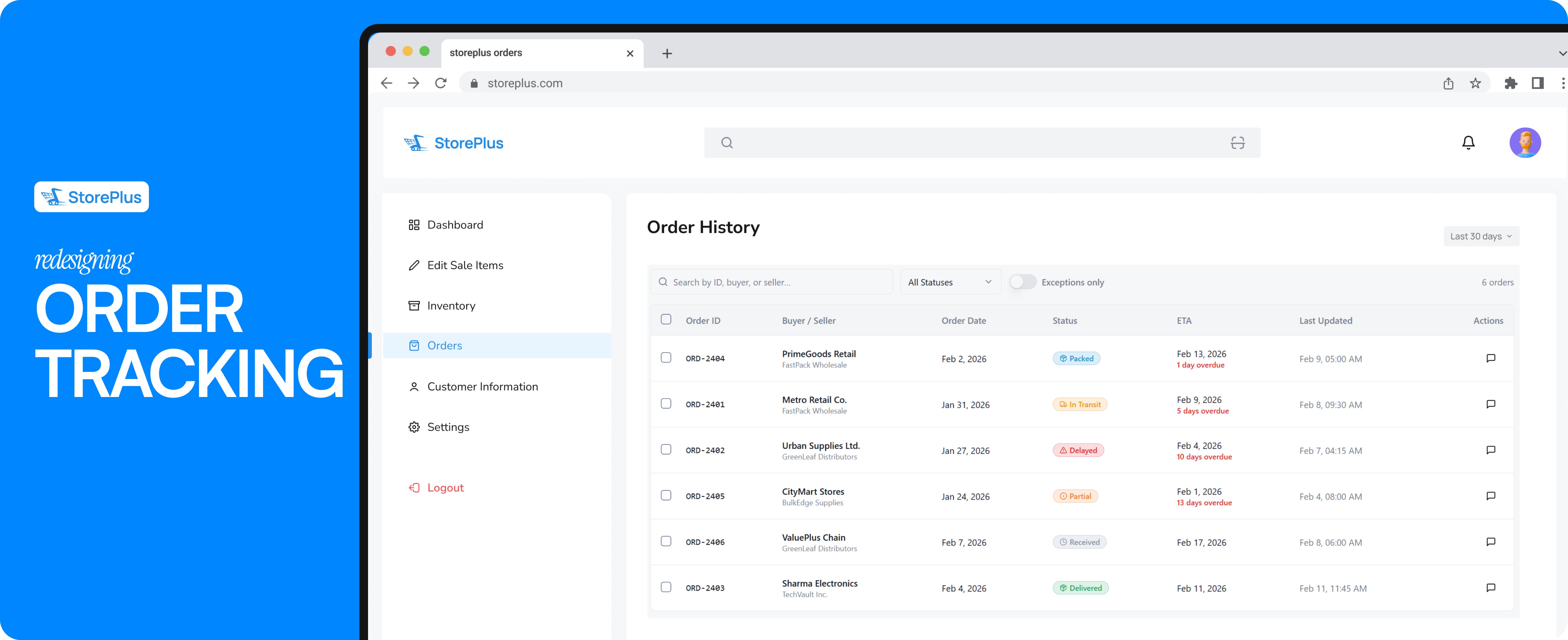
Want to skim through this case study? I got you covered.
Here’s a 1 min TL;DR version
My Role
👤 Solo UX designer responsible for redesigning order tracking from research through validation
👥 Led end-to-end design working with 1 PM and 3 engineers under 8-week deadline to prevent client churn
Solution
Built dual-mode interface: table view for scanning 50+ orders, expandable timeline for detailed tracking with threaded messages, photos, and commitment tracking.
Impact/Results
⏱️ Reduced time on task by 60%
📈 ↑ 90%+ order completion rate
🧠 Reduced cognitive load
CONTEXT
About the Product
StorePlus is a B2B commerce platform digitizing small retail supply chains across India.
The platform enables retailers to browse inventory, place orders, track fulfillment, generate invoices, and manage supplier relationships.
100+
Wholesalers
200+
Retailers
5K+
Orders last month
This case study focuses on Order Tracking- one of the three core features I designed for the product.
BEFORE/AFTER
Sneak Peak into what I did
Diving deeper into the project
Let’s start from the beginning
WHY REDESIGN?
With endless support tickets and multiple clients cancelling subscriptions because of order tracking, I had 8 weeks to find and fix the problems for V2.0 launch
While I knew the platform had order tracking in-built, I didn't know why users weren't using it. Instead, they were turning to Whatsapp for all order based communications. So, I started by breaking down the problem.
Vague Status Labels reduced user trust in platform accuracy
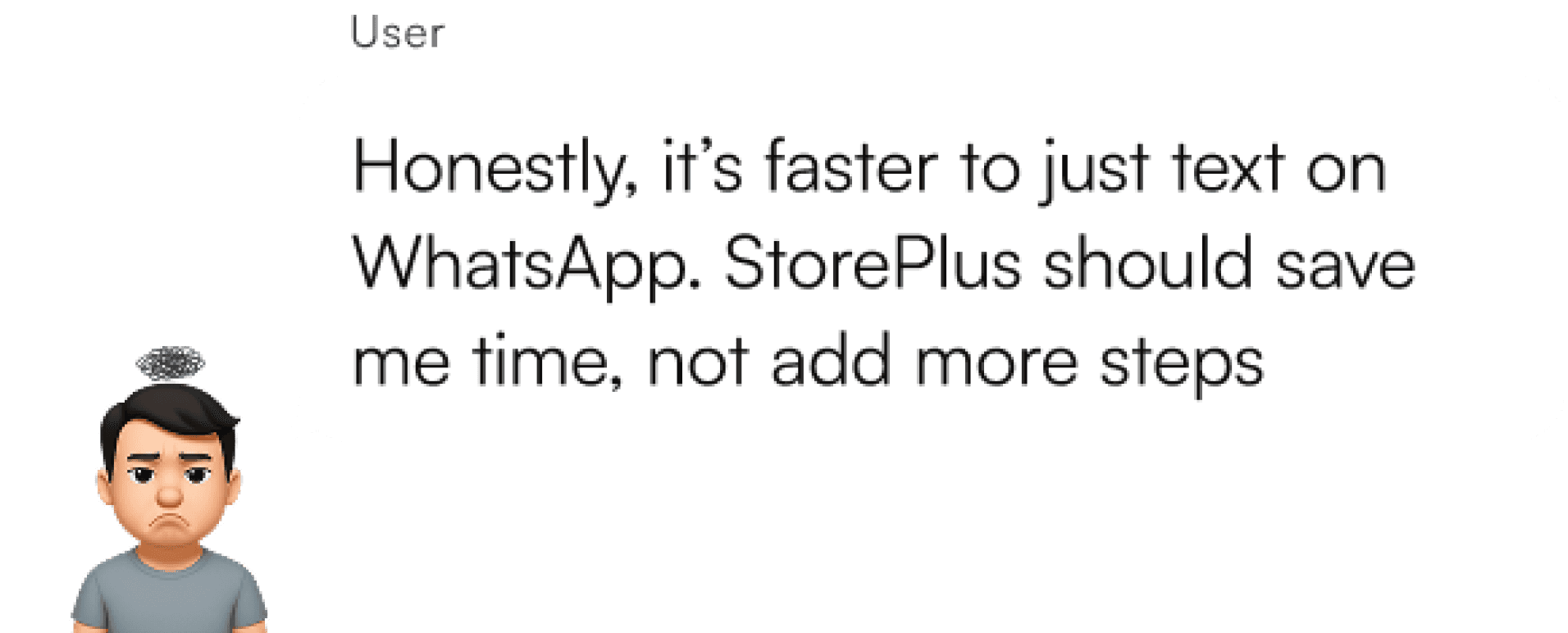
WhatsApp Dependency due to lack of system confidence
Delayed Information led to order delays and cancellations
MY ROLE + APPROACH
As a Product Designer, I redesigned the experience and added an embedded communication system in the platform to build human trust

RESEARCH
I conducted research across three methods to understand where
trust broke down and why users relied on WhatsApp instead
8
User interviews
(4 retailers, 4 wholesalers)
4
Contextual inquiry
100+
Support tickets analysis
Lots of
Competitive Analysis
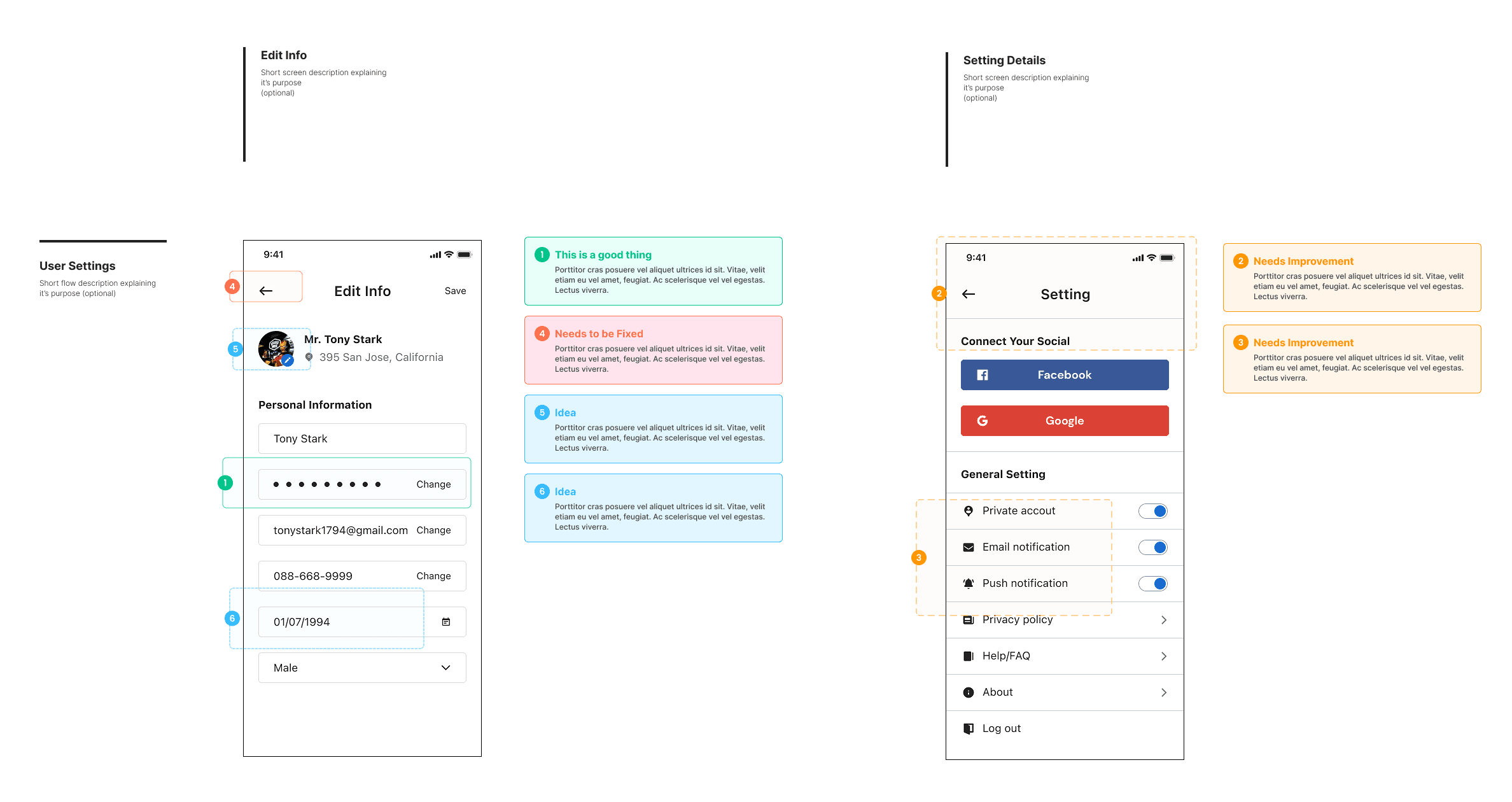
UX Audit
The goal was to identify friction in the existing flow.
Findings: Vague “Processing” status until delivery, no ETAs, no exception handling
Contextual Inquiry
The goal was to observe how users tracked orders in daily workflows.
Findings: Noticed small workarounds like sticky notes taped to desks and group chats pinging all day. These hacks were signals of what was not working.

In-depth Research Plan
KEY INSIGHTS
Research revealed users had data but didn't trust it; the problem wasn't missing information, it was a credibility crisis
Users had information but didn't trust it due to past inaccuracies
my learning: User needed detailed information to build trust and not fancy features
Wholesalers needed to scan 50+ orders while retailers needed detailed timelines for 2-3 orders
my learning: Progressive disclosure could serve both without fragmentation
WhatsApp provided human confirmation that the platform couldn't
my learning: The real competitor was WhatsApp, and it won on trust, not features
PROJECT SCOPING
Research surfaced multiple opportunities, but the 8 week deadline and client retention crisis helped us prioritize
Closing the Visibility Gap in Order Tracking
Low dev effort

Less time
High impact
Handling Exceptions Proactively (Delays, Backorders)
High dev effort
More time
High impact
Decision: Prioritize #1 (visibility gap) because it addressed the root trust issue with lower technical risk and faster
delivery.
DEFINING SUCCESS METRICS
We defined success across three levels: retention (north star), behavioral adoption, and operational efficiency.

Order Completion Rate: 85% → 90%+
Why: Directly measures trust restoration; if users trust tracking, they complete orders instead of abandoning them.
Impact: 24% reduction in drop-offs
Supporting Metrics
USER PERSONA
Meet Rob

Note: Rob’s persona was built based on data gathered from user research
01
"I need one place to manage everything."
Insight: A real-time dashboard would simplify tracking inventory, orders, and payments.
02
"I can’t keep chasing down retailers."
Insight: He needs a built-in communication tool to confirm orders instantly.
03
"Losing track of payments is costing me."
Insight: Automated invoicing and payment tracking would keep his finances in check.
The Problem Statement
🧠 How might we create a unified, low-friction platform that simplifies inventory and order management for small businesses driving adoption, operational efficiency, and long-term user retention?
ANALYZING THE CURRENT EXPERIENCE
In the current experience, retailers had no visibility between “Processing” and “Delivered,” forcing them to depend on calls and WhatsApp for updates
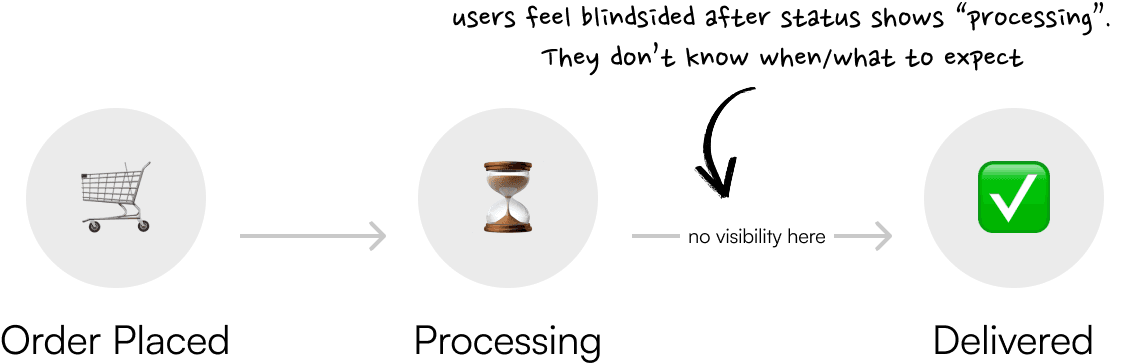
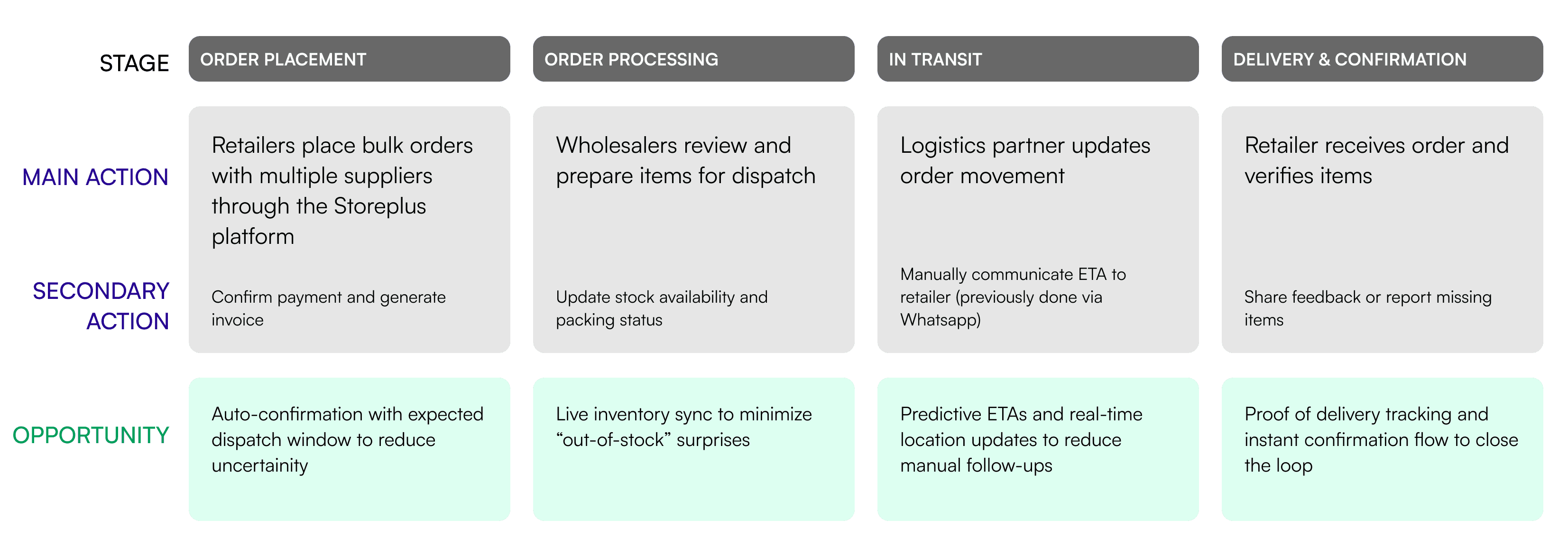
I detailed out the flow to find specific opportunities in the user experience
IDEATION
Exploring multiple directions to fill the gaps in flow
DIRECTION 1
Data Transparency Layer
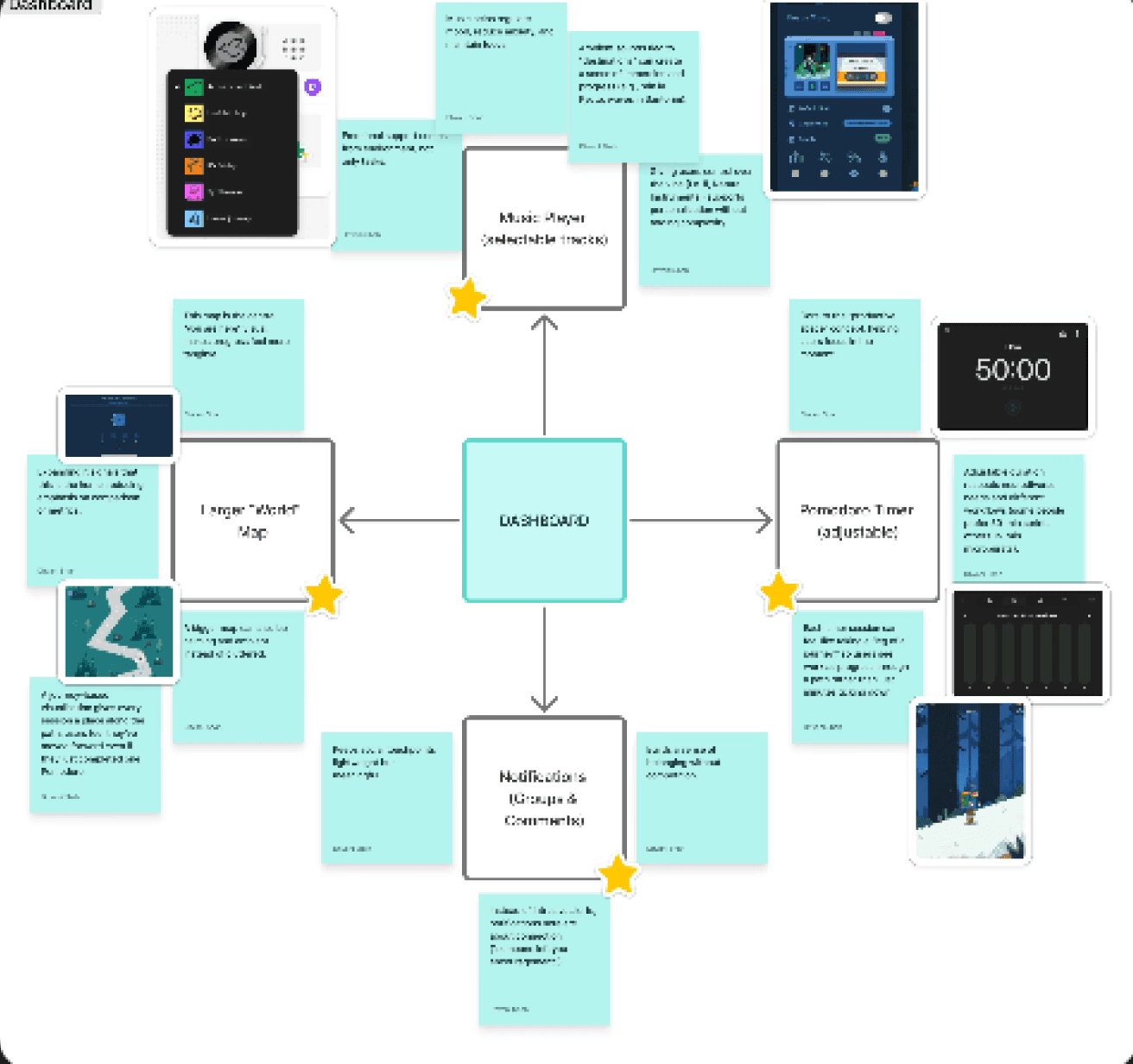
We focused purely on transparency: adding more data to the order table and detail page
my learning: Transparency alone doesn’t build trust, clarity and hierarchy do
DIRECTION 2
Exception-First Dashboard
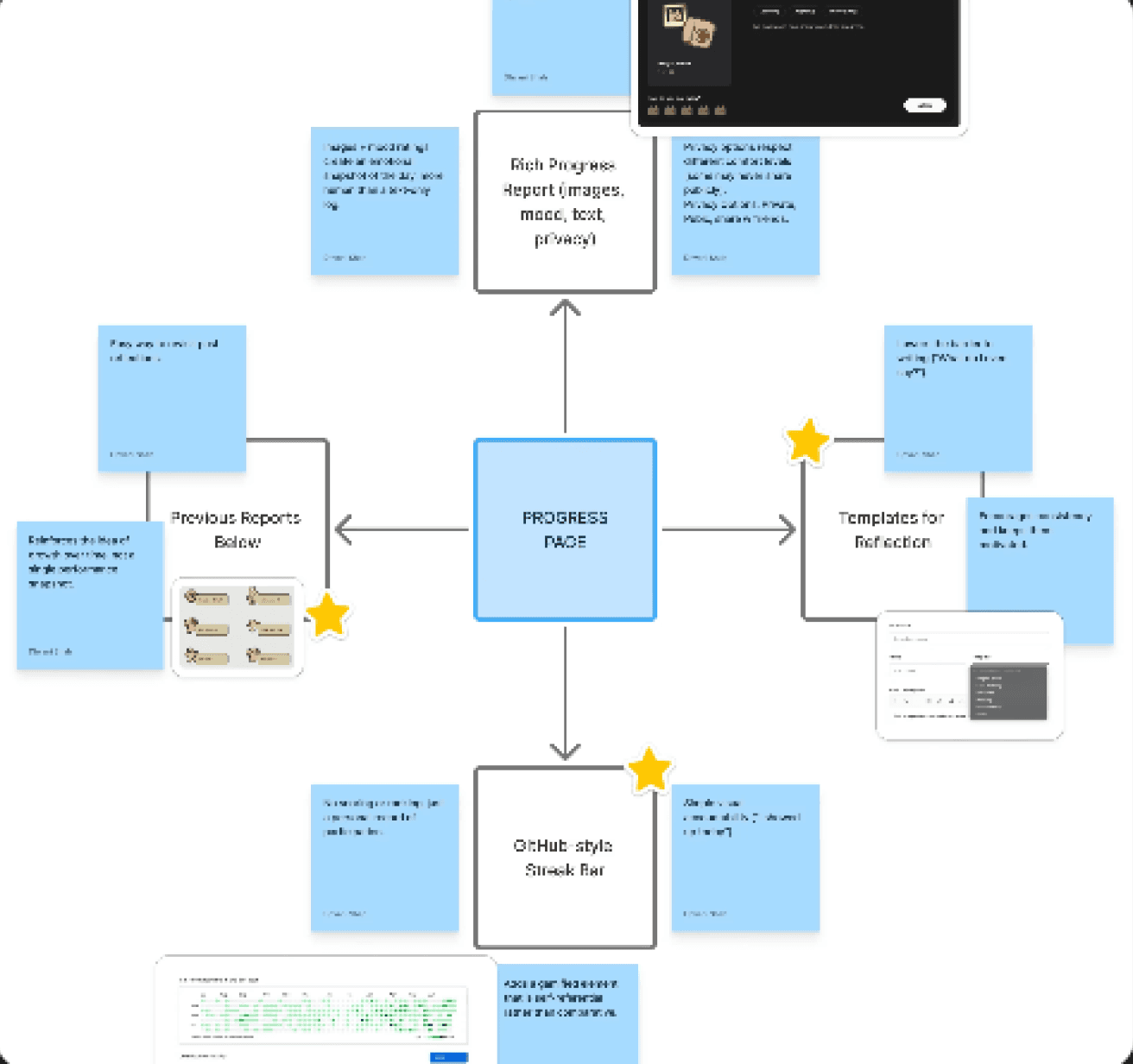
We reimagined the interface around exception handling rather than order listing
my learning: Prioritization is powerful but without credibility, it still drives external communication
DIRECTION 3
Decision-Driven Workflow
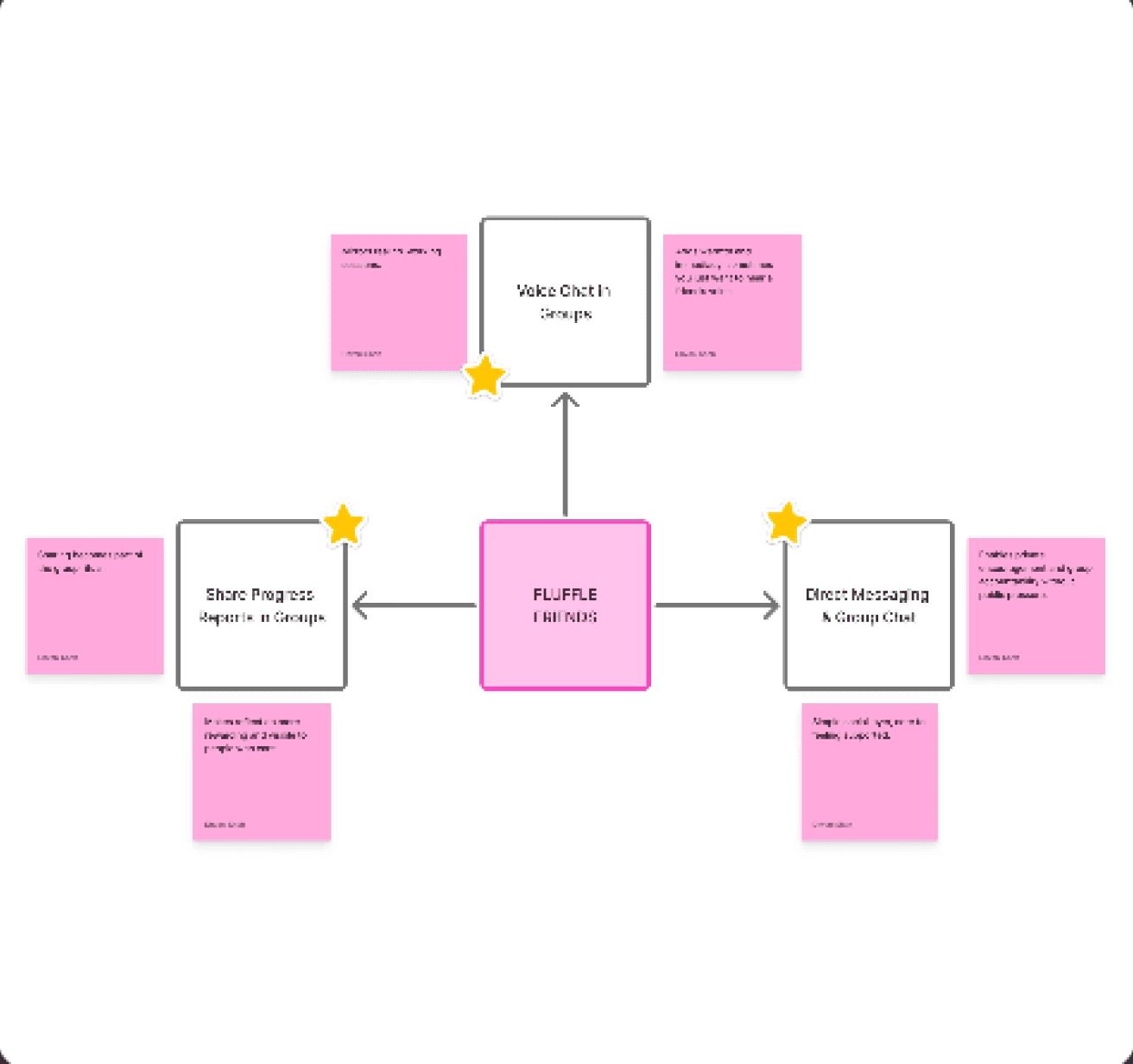
This direction reframed the product not as a data table, but as a decision-support system
my learning: Eliminating technical jargon, and embedding action directly into context adds more value
Converging the 3 directions into a trust loop
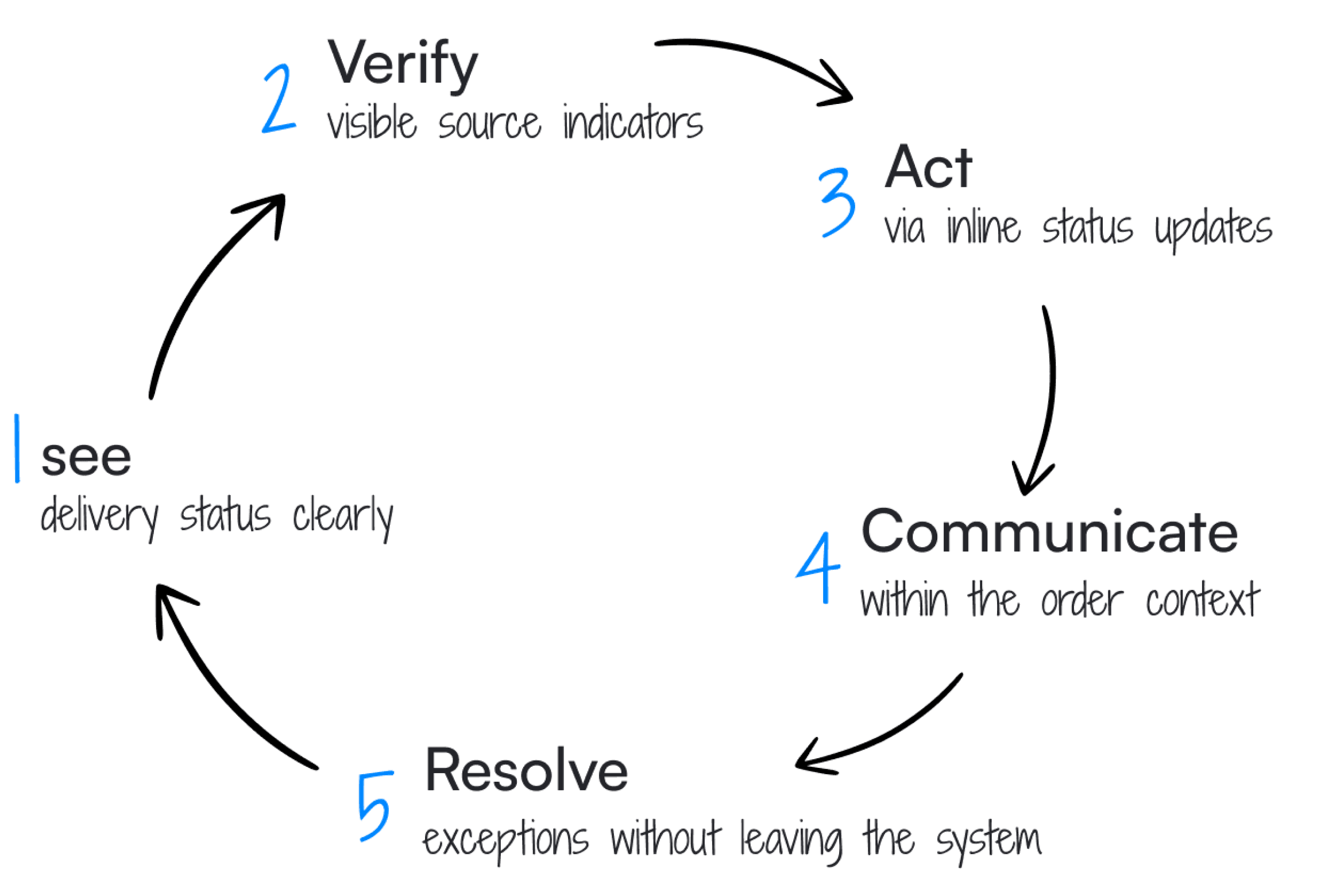
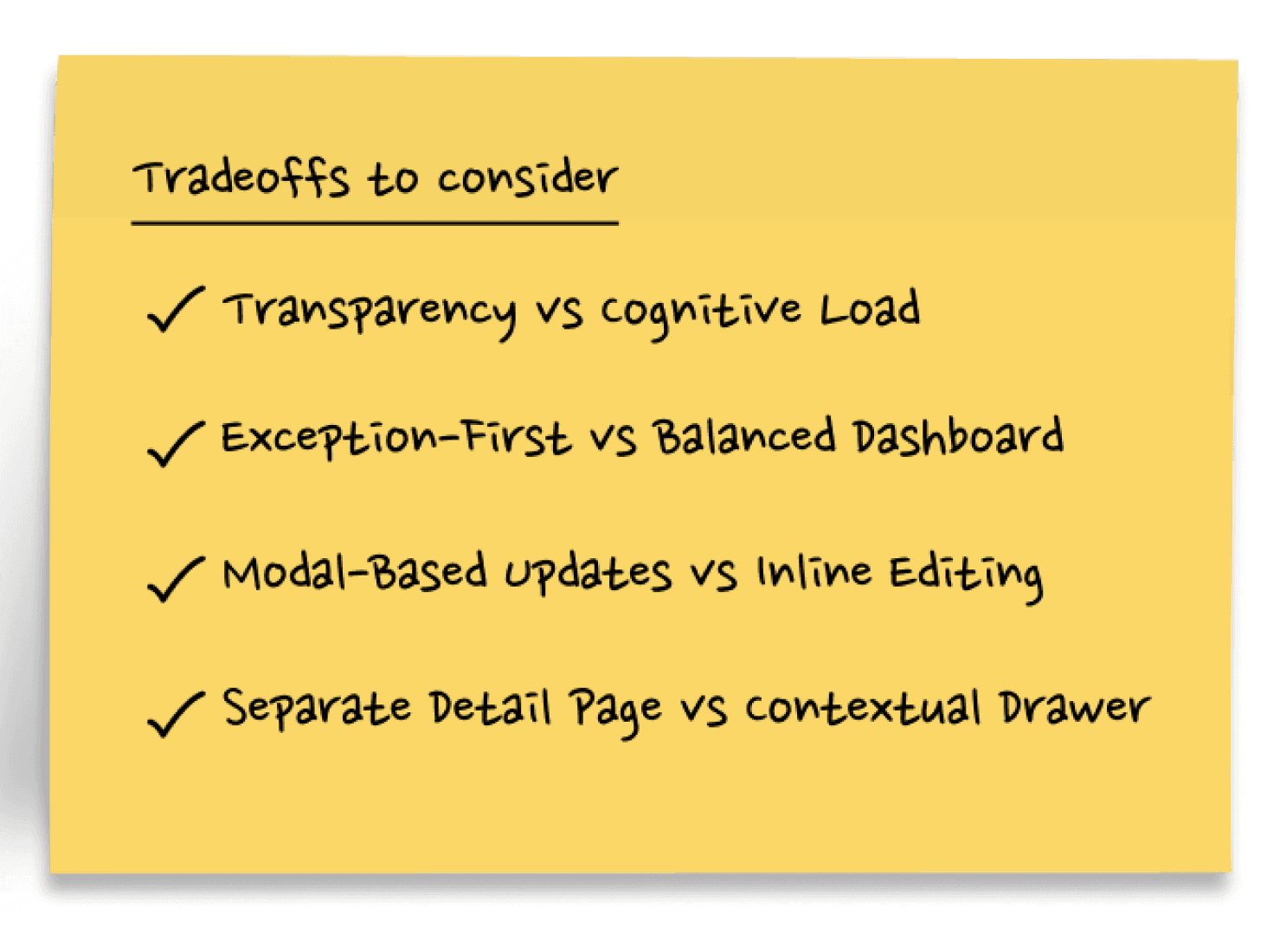
The trust loop required multiple features like verification badges, messaging, proactive alerts, but I needed to decide how to organize them for two very different users.
Wholesalers

Manage 50+ orders daily. They need to scan quickly, spot problems at a glance, and take bulk actions. Dense information and fast scanning are priorities.
Retailers

Track 2-3 orders. They want deep detail about each order like, timeline, messages, proof. They need to investigate, not scan.
One interface, two workflows
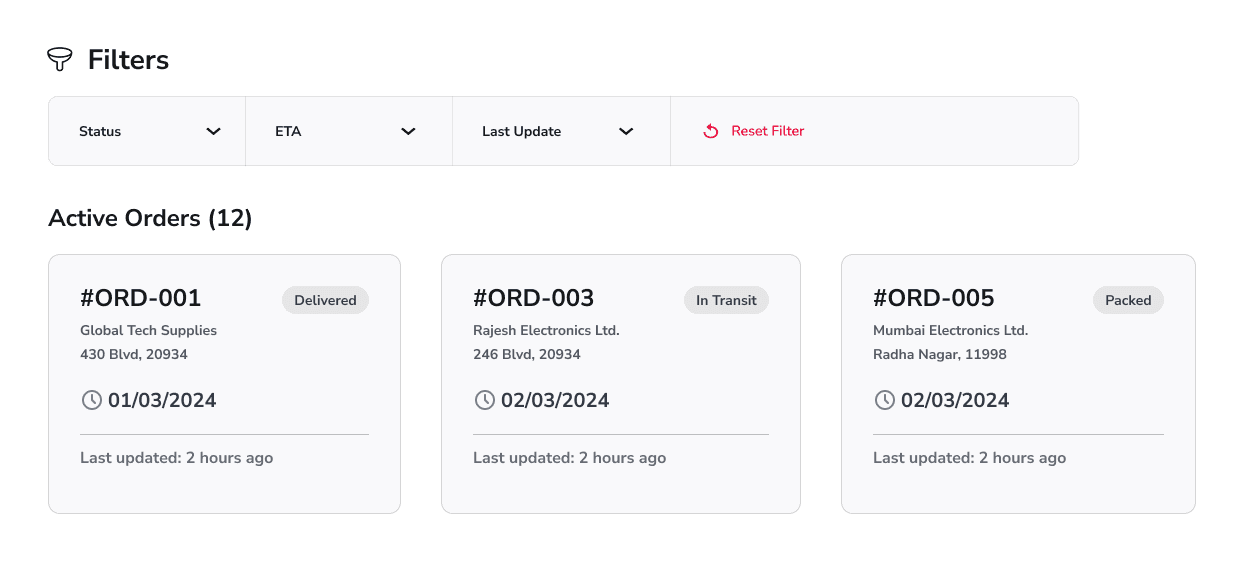
We shifted the focus from showing everything to showing what mattered. Users needed to understand the order status at a glance
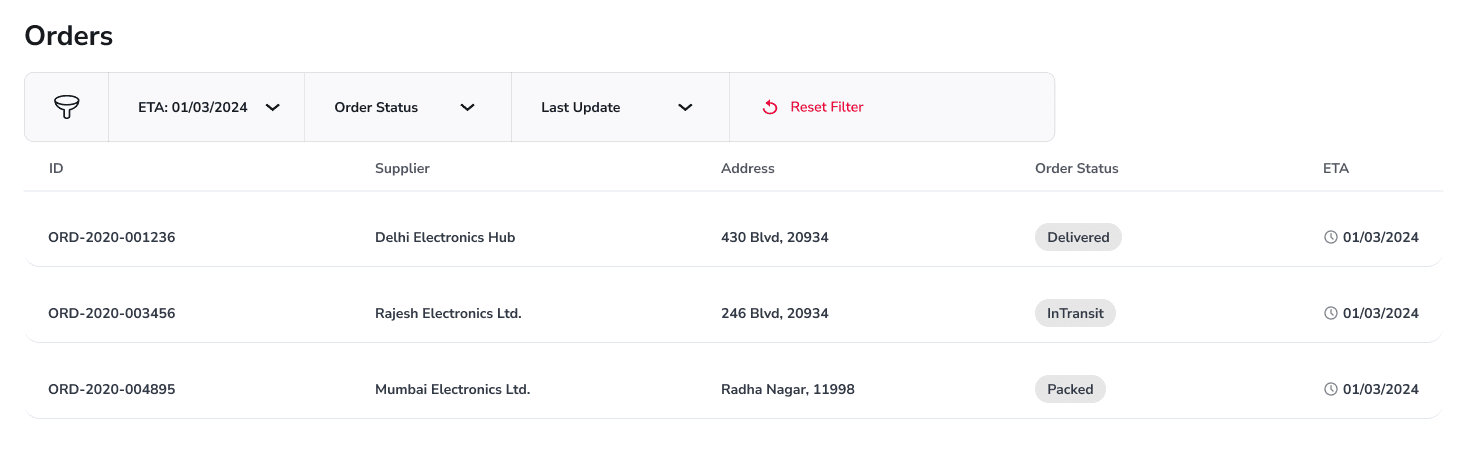
concept A
concept B
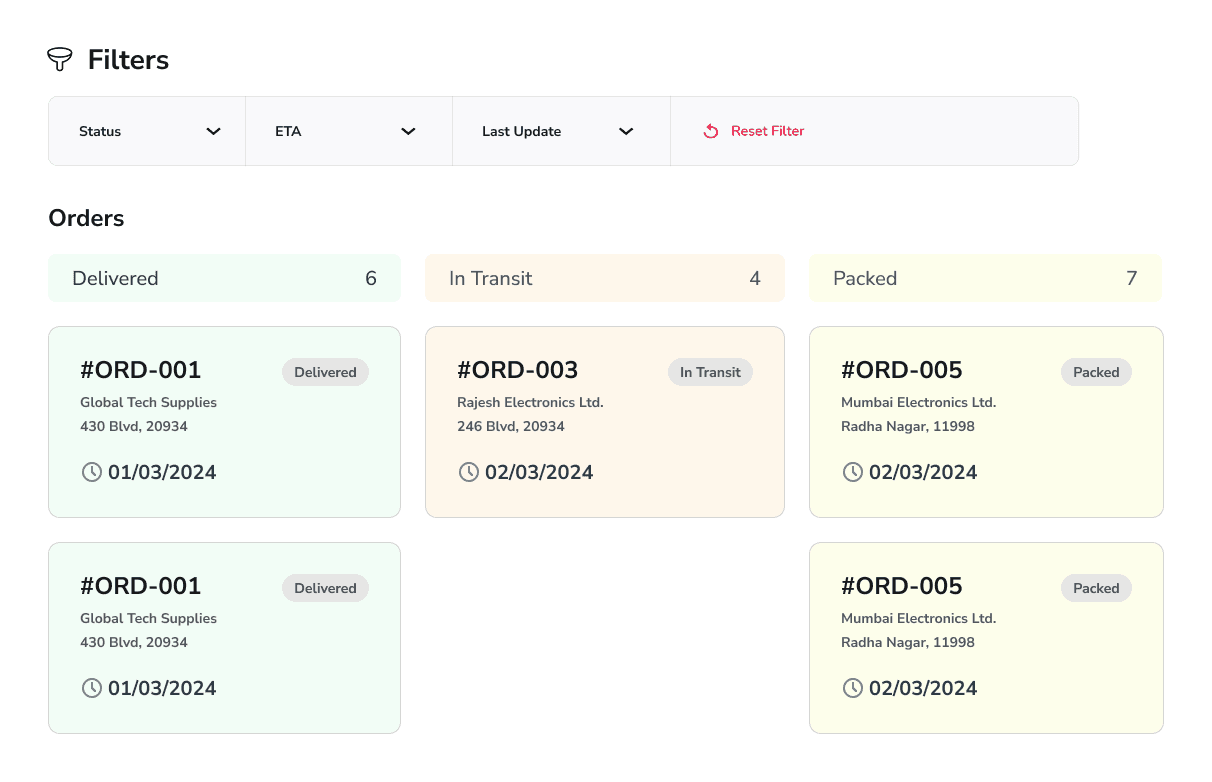
concept C
Choosing Concept A: Despite its rigidity, it prioritized speed, scalability, and familiarity which was the foundations of trust in a B2B environment. So, I decided to further explore Concept A.
Why Not Other Concepts?
THE SOLUTION
Designing an Order Experience that connects users seamlessly and handles exceptions
Pain Point 1- Lacks visual hierarchy, increases cognitive load, harder to identify delays

The dashboard treated all orders equally, making it difficult for operations teams to quickly identify risks and take action
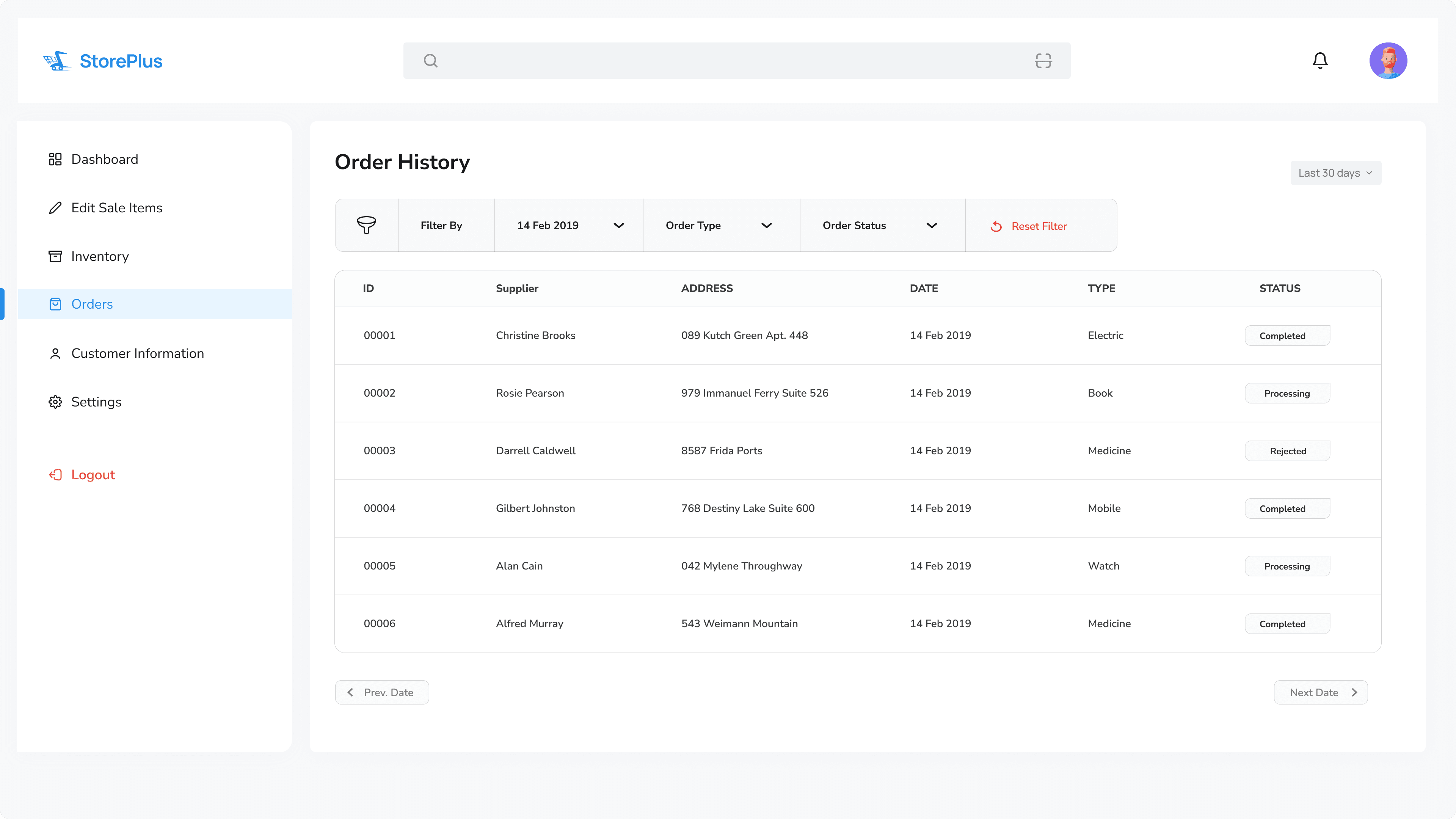
BEFORE
Solution
By introducing exception-based hierarchy, computed delays, and contextual visibility, the dashboard shifted from a passive list of orders to a proactive operational system
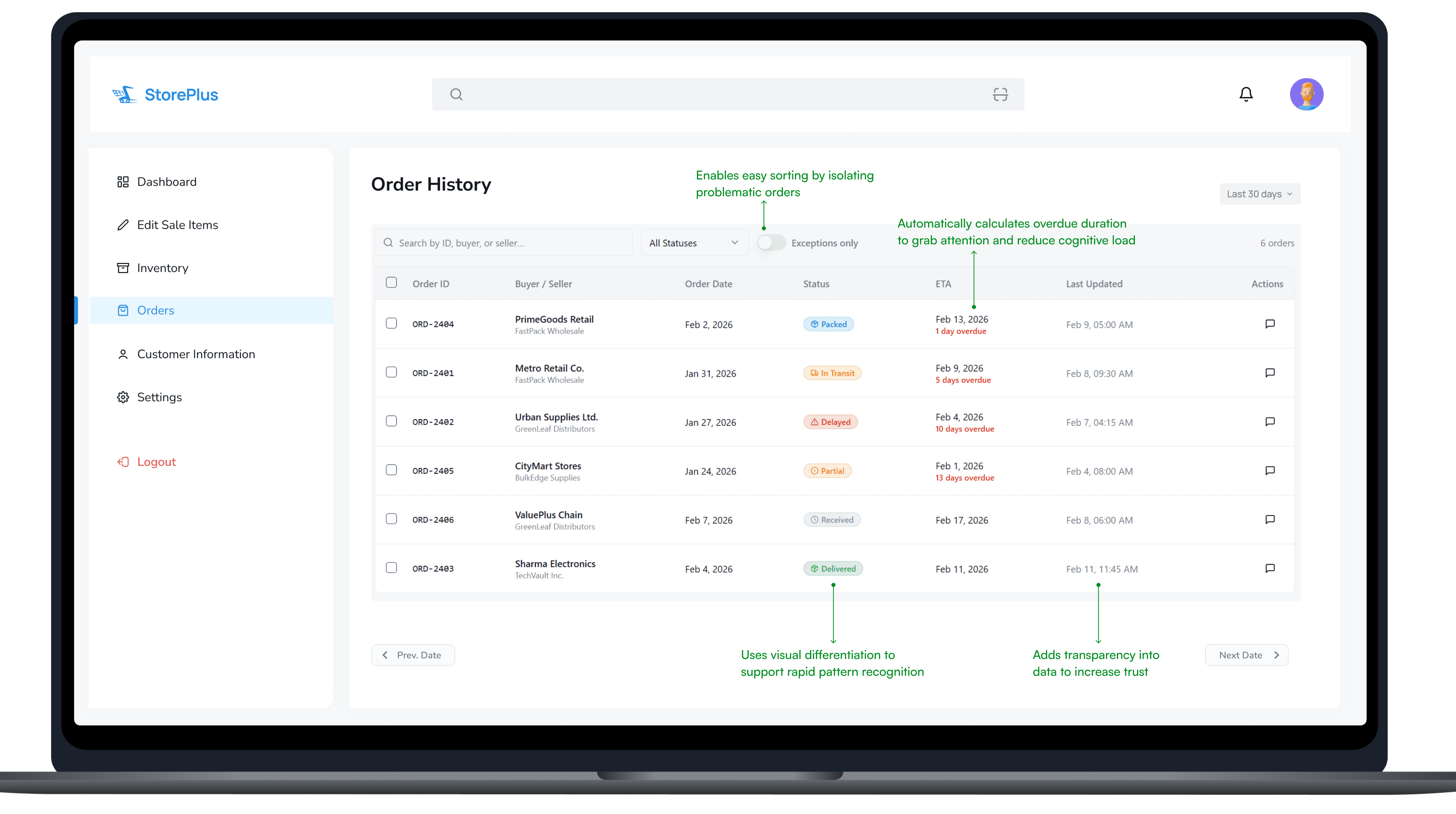
REDESIGN
Pain Point 2 - Vague status labels reduced trust in platform accuracy leading them to rely on whatsapp
Order statuses like lacked context, source transparency, and accountability.
Users couldn’t determine who updated the status, when it was verified, or why delays occurred leading them to rely on WhatsApp for confirmation.
Solution:
the redesign focused on reducing ambiguity and increasing transparency. Instead of treating status as a static label, I transformed it into a traceable system state by exposing verification layers, update sources, and contextual delay insights. This shift reduced uncertainty, restored user trust, and positioned the platform as a reliable single source of truth.
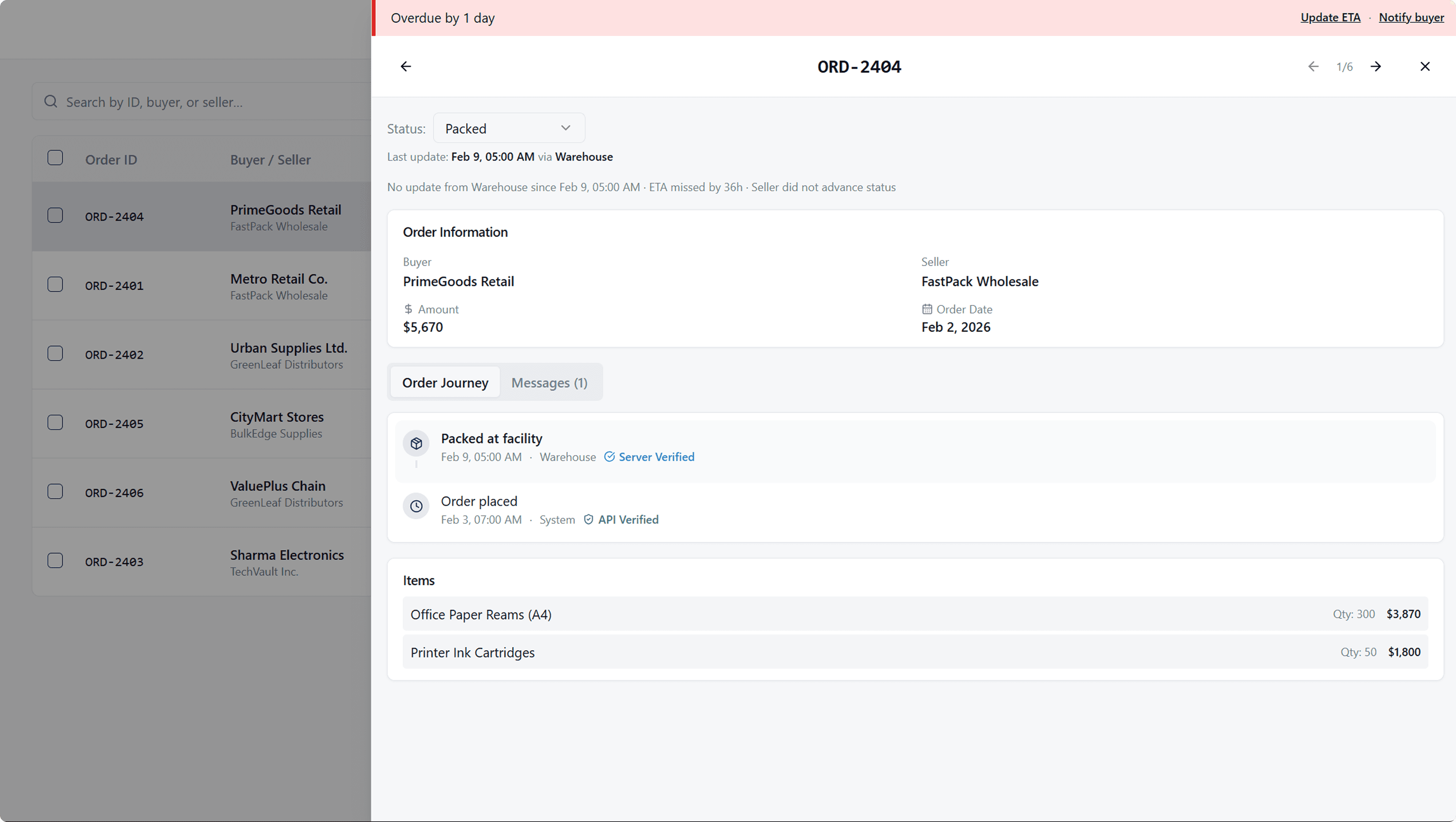
SIDE DRAWER TO SHOW ALL DETAILS
BREAKING DOWN THE FEATURES
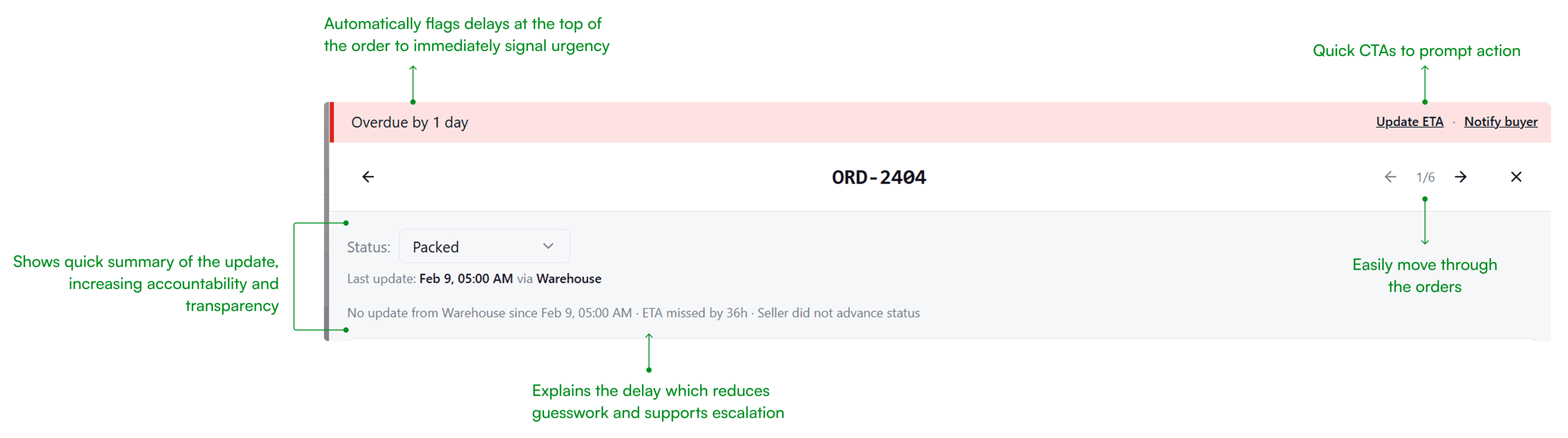
Clearly Flagging At-Risk Orders
Previously, users had to manually compare ETA dates to determine if an order was delayed.
The redesigned experience automatically calculates overdue duration, highlights it visually, and allows quick navigation between orders.
This reduces mental effort and speeds up triage.
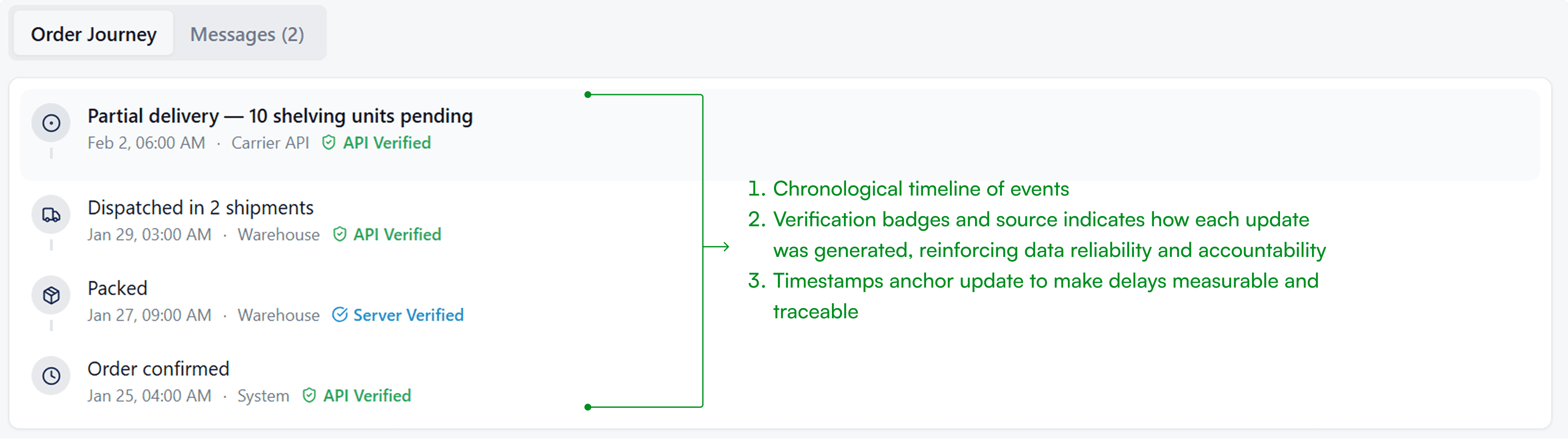
Making Status Updates Transparent
Instead of showing a single status label, the redesign visualizes the full progression of an order with timestamps and verification layers.
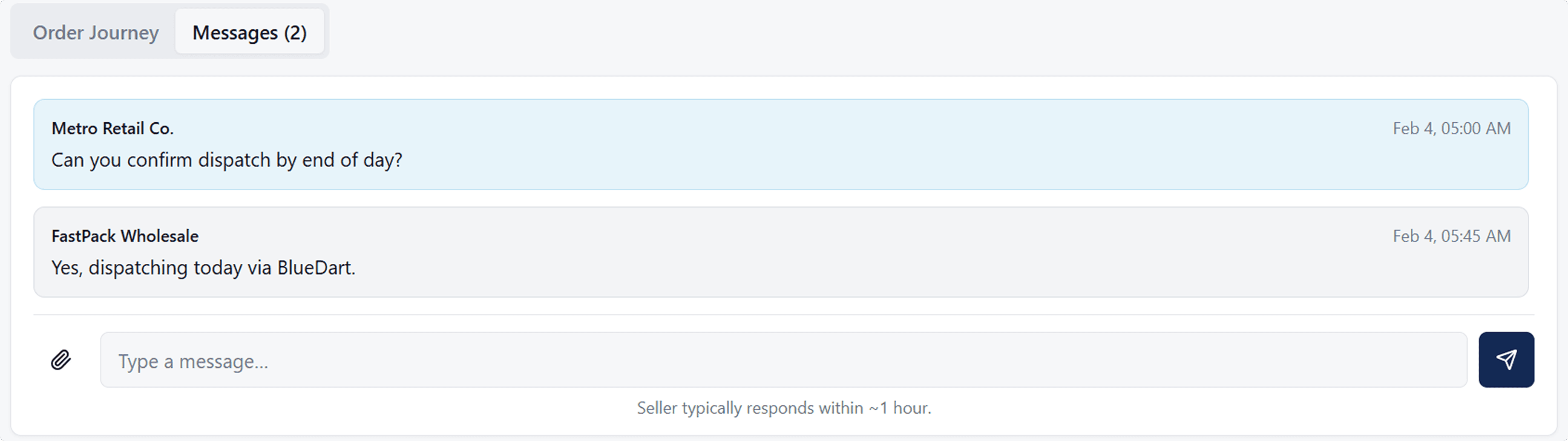
Reducing Reliance on Whatsapp
Users previously relied on WhatsApp to confirm delays due to low system confidence. I embedded contextual messaging directly within each order to centralize communication and reduce tool switching

THE IMPACT
Measuring the impact
new orders
fewer drop-offs
boost in sales
KEY TAKEAWAYS
Taking the time to reflect