Almach Labs
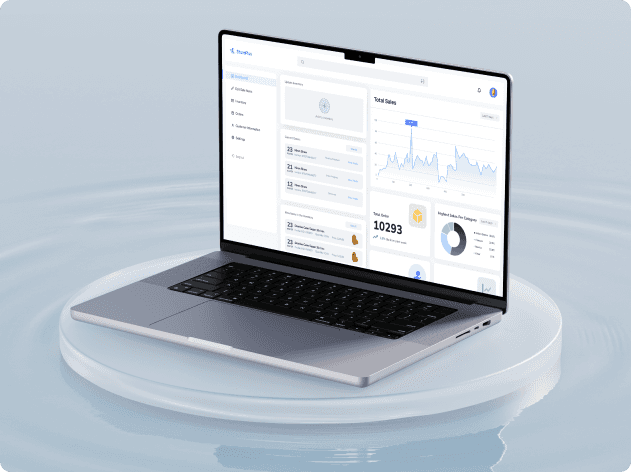
Led 0→1 Modular dashboard design to turn operational data into actionable insights
B2B
Enterprise Tool
Shipped


Want to skim through this case study? I got you covered.
Here’s a 1 min TL;DR version
My Role
👤 Solo UX designer responsible for redesigning order tracking from research through validation
👥 Led end-to-end design working with 1 PM and 3 engineers under 8-week deadline to prevent client churn
Solution
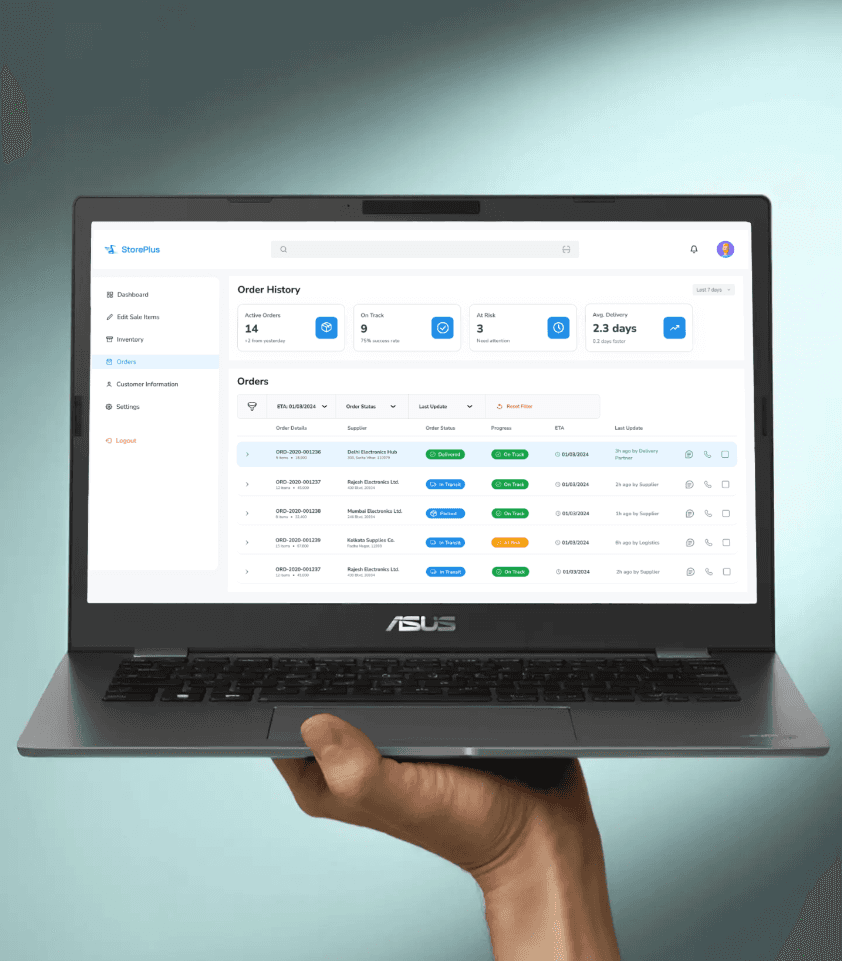
Built dual-mode interface: table view for scanning 50+ orders, expandable timeline for detailed tracking with threaded messages, photos, and commitment tracking.
Impact/Results
⏱️ Reduced time on task by 60%
💰 Protected ₹2.4M in annual revenue
🧠 Reduced cognitive load
CONTEXT
About the Product
StorePlus is a B2B commerce platform digitizing small retail supply chains across India.
The platform enables retailers to browse inventory, place orders, track fulfillment, generate invoices, and manage supplier relationships.
100+
Wholesalers
200+
Retailers
5K+
Orders last month
This case study focuses on Order Tracking- one of the three core features I designed for the product.
BEFORE/AFTER
old system vs. revamped version
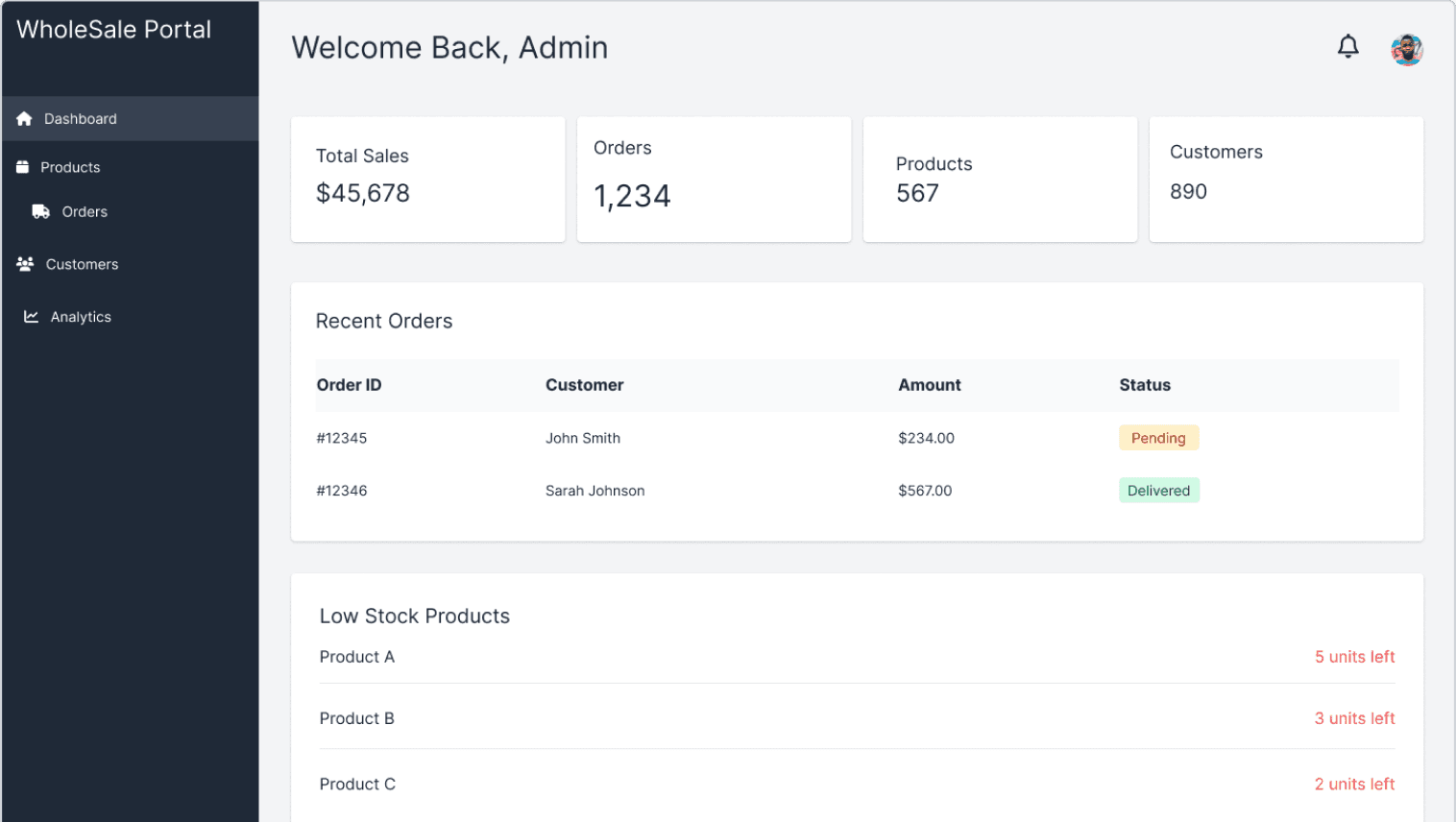
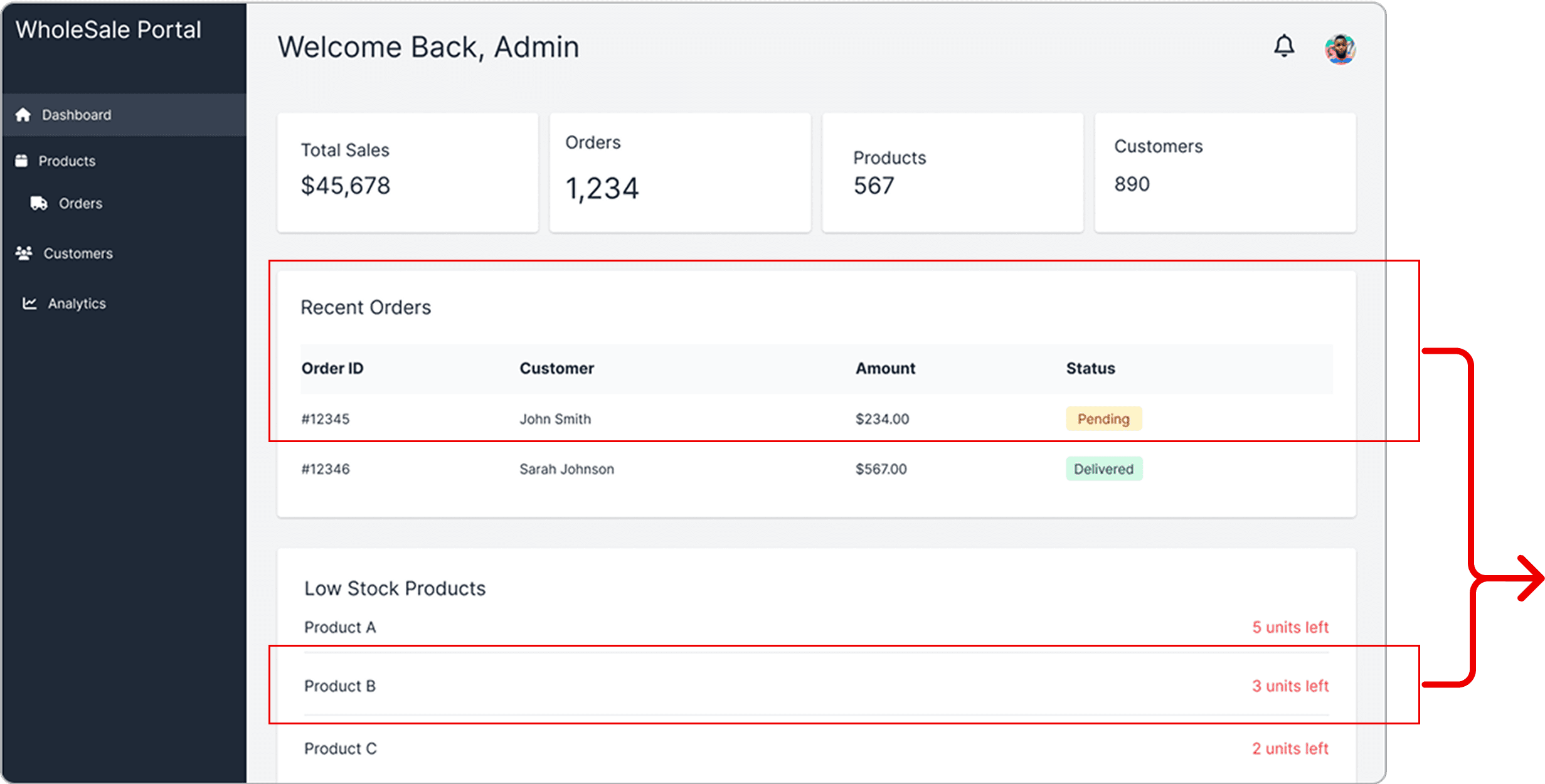
old application
what was not working
Lack of Real-Time Insights Slowed Business Decisions
No Direct Inventory Actions from Dashboard Increased Workflow Friction
Fragmented Order Information Required Extra Navigation

revamped version
changes we made
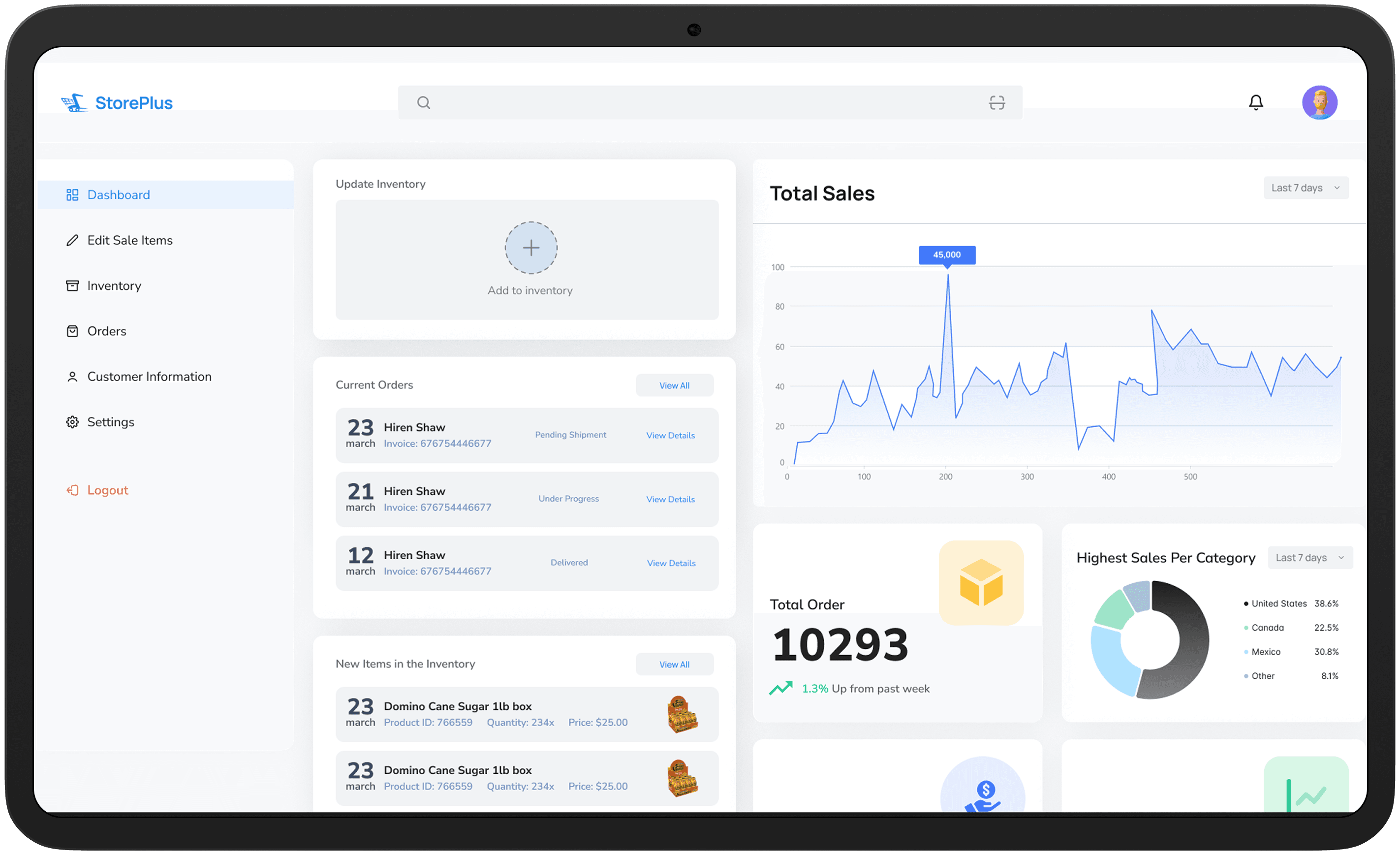
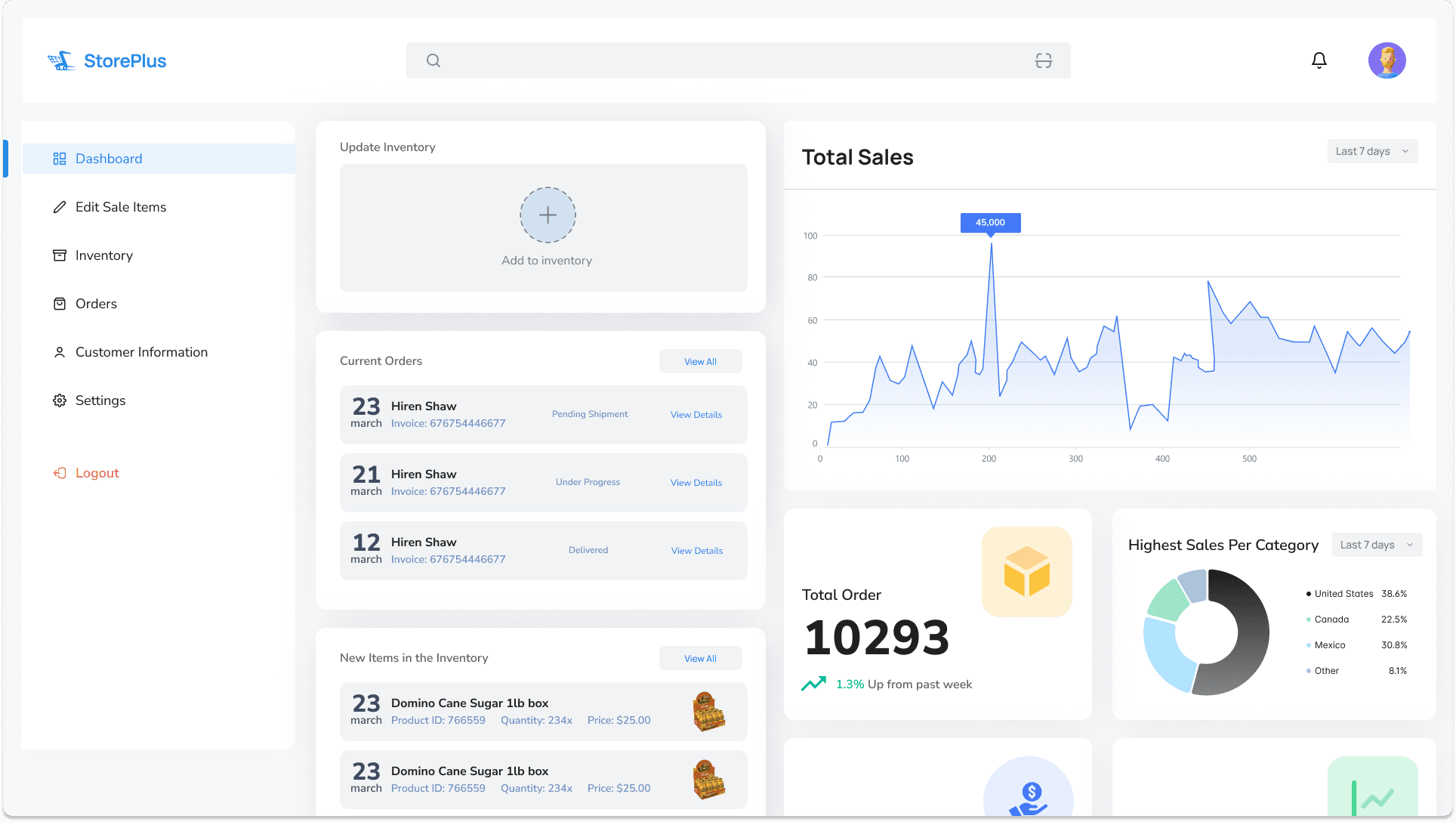
Interactive Sales Graph for Better Performance Tracking
One-Click Inventory Updates
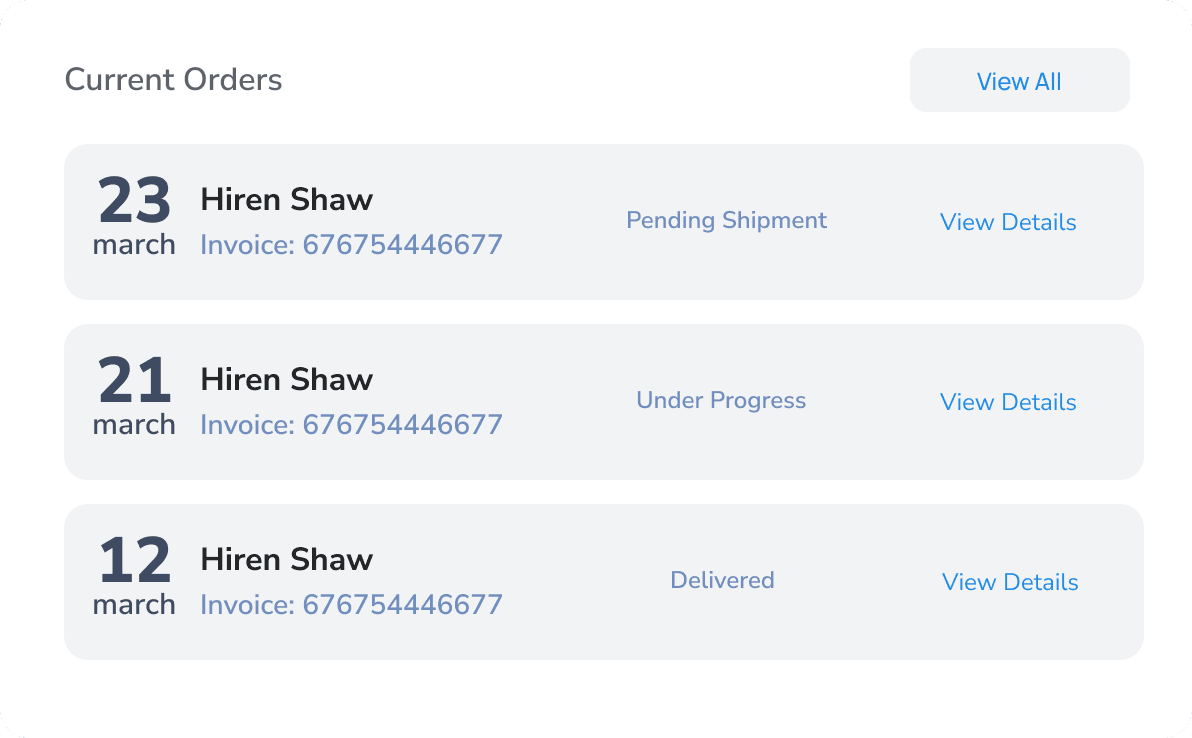
Redesigned Order Cards to Show Key Info at a Glance
Adopted a Modular UI to Improve Visual Hierarchy and Scannability
the result
THE IMPACT I MADE WITH MY DESIGNS
Since 2 months of adoption, the system has facilitated over 10,000 transactions between wholesalers and retailers, improving overall user satisfaction scores by 75%
20%

boost in sales for retailers
25%

increase in inventory accuracy
40%

reduction in order errors
WHY REDESIGN?
The client came to us with 3 major problems in the current Storeplus app, asking us to evaluate the current product and rebuild it with more features to provide better user experience.
01
🗯️Fragmented Communication
Retailers and distributors rely on scattered tools, leading to delays and miscommunication
02
📋Manual Inventory Tracking
Stock levels are updated manually, increasing chances of errors and over/understocking
03
📦Lack of Order Visibility
Retailers struggle to track order status, which affects planning and customer satisfaction
MY ROLE + APPROACH
As a Product Designer, I redesigned the experience and added an embedded communication system in the platform to build human trust

Diving deeper into the project
Let’s start from the beginning
RESEARCH
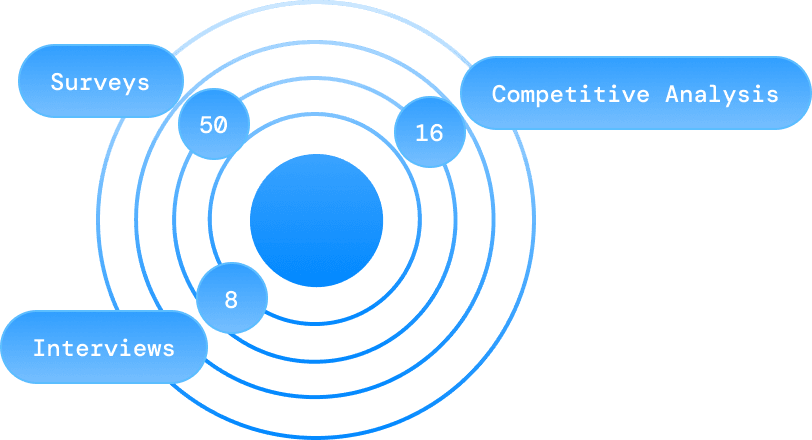
I conducted research across three methods to understand where
trust broke down and why users relied on WhatsApp instead
4/10
users missed shipments led to a 15% drop in orders
9/10
spend over 10 hours a week manually managing orders and inventory
Surveys & Interviews

🧑💼 4 wholesaler interviews; 4 retailer interviews
📋 50 surveys
I interviewed key stakeholders across the supply chain—including
NGOs
Food banks
Retail store managers
Warehouse/logistics partners
Local farmers
These conversations informed the foundation of Storeplus.
Observations
Goal:
Study how wholesalers and retailers manage bulk inventory, demand-supply shifts, and stock issues by observing store operations and analyzing B2B forums for recurring inefficiencies.
Methods used:
Shadowing, Online Ethnography, Diary Studies. We conducted 4 sets of observations of 30-90 minutes each.

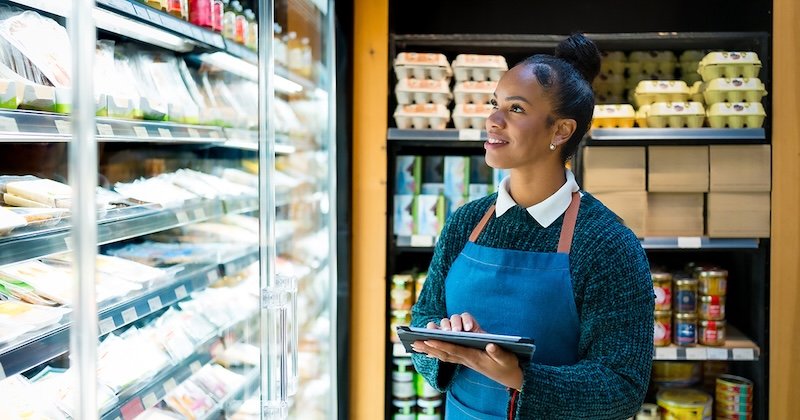
In-depth Research Plan
MARKET POTENTIAL
Research revealed users had data but didn't trust it; the problem wasn't missing information, it was a credibility crisis
💼
The global AI in retail market is projected to grow from $31 billion in 2024 to $165 billion by 2030
📦
82% of retailers report that real-time inventory visibility is a top priority
🌍
Small-to-mid-size retailers make up over 90% of the global retail sector
USER PERSONA
Meet Rob

Note: Rob’s persona was built based on data gathered from user research
01
"I need one place to manage everything."
Insight: A real-time dashboard would simplify tracking inventory, orders, and payments.
02
"I can’t keep chasing down retailers."
Insight: He needs a built-in communication tool to confirm orders instantly.
03
"Losing track of payments is costing me."
Insight: Automated invoicing and payment tracking would keep his finances in check.
The Problem Statement
🧠 How might we create a unified, low-friction platform that simplifies inventory and order management for small businesses driving adoption, operational efficiency, and long-term user retention?
IDEATING & BRAINSTORMING
The Power of Collective Thinking
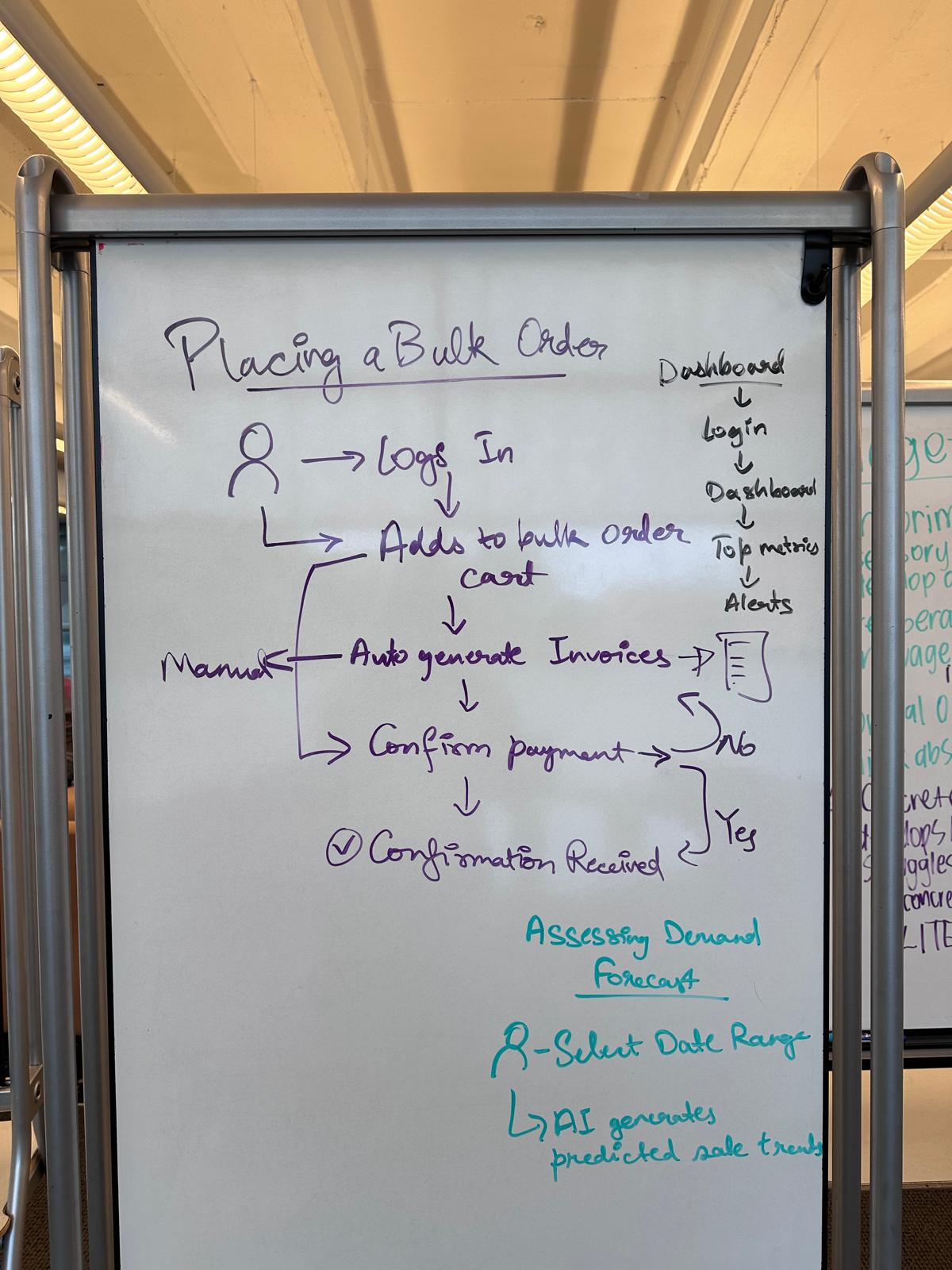
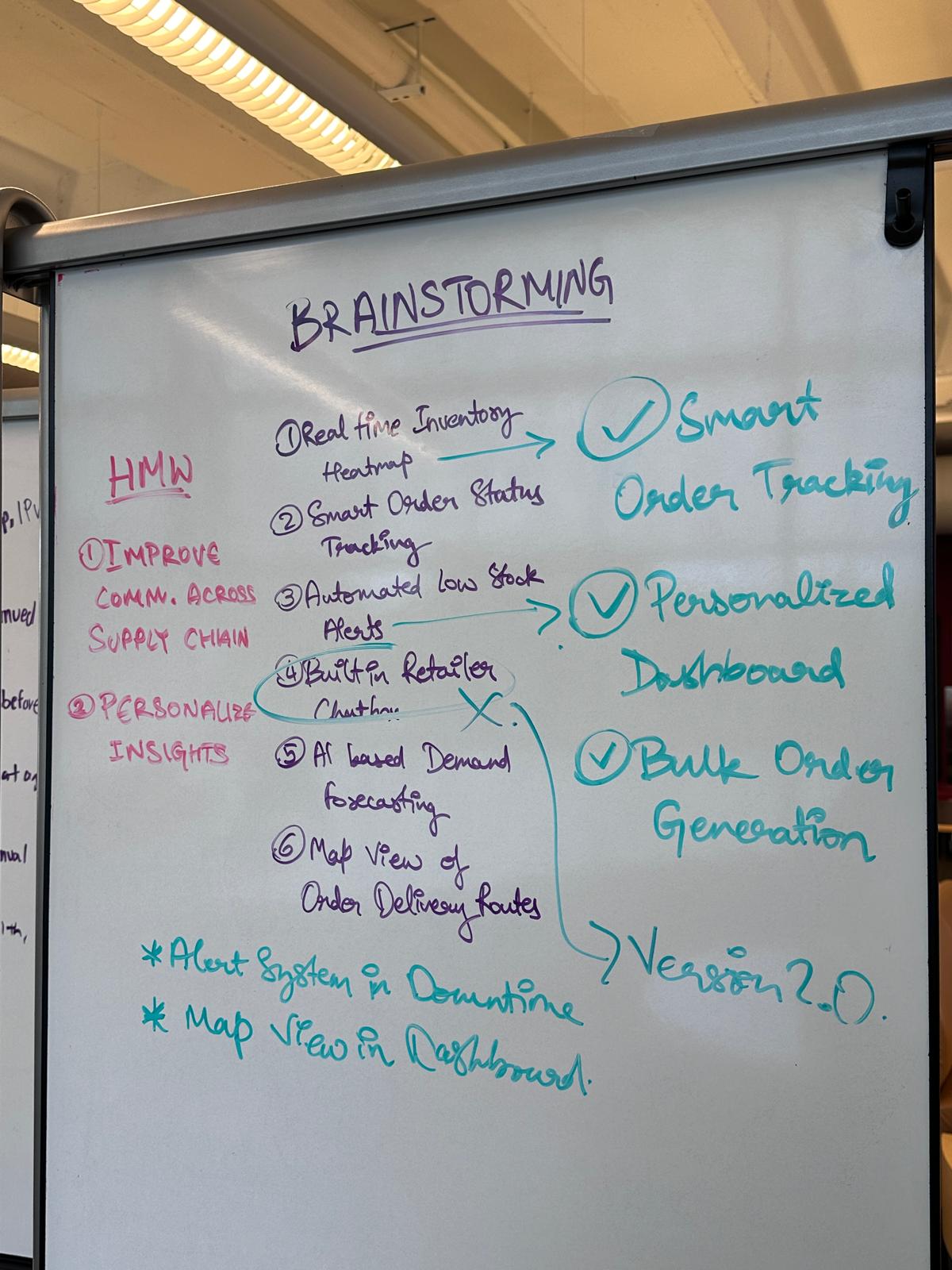
I facilitated three brainstorming sessions with my team to explore potential solutions. These included
individual ideation
a group session
a co-creation session with an external domain expert.
This approach helped us gather diverse perspectives from both design and business standpoints.
Filtered ideas based on technical feasibility and operational scalability
Presented two refined solution flows to the client for feedback and direction.
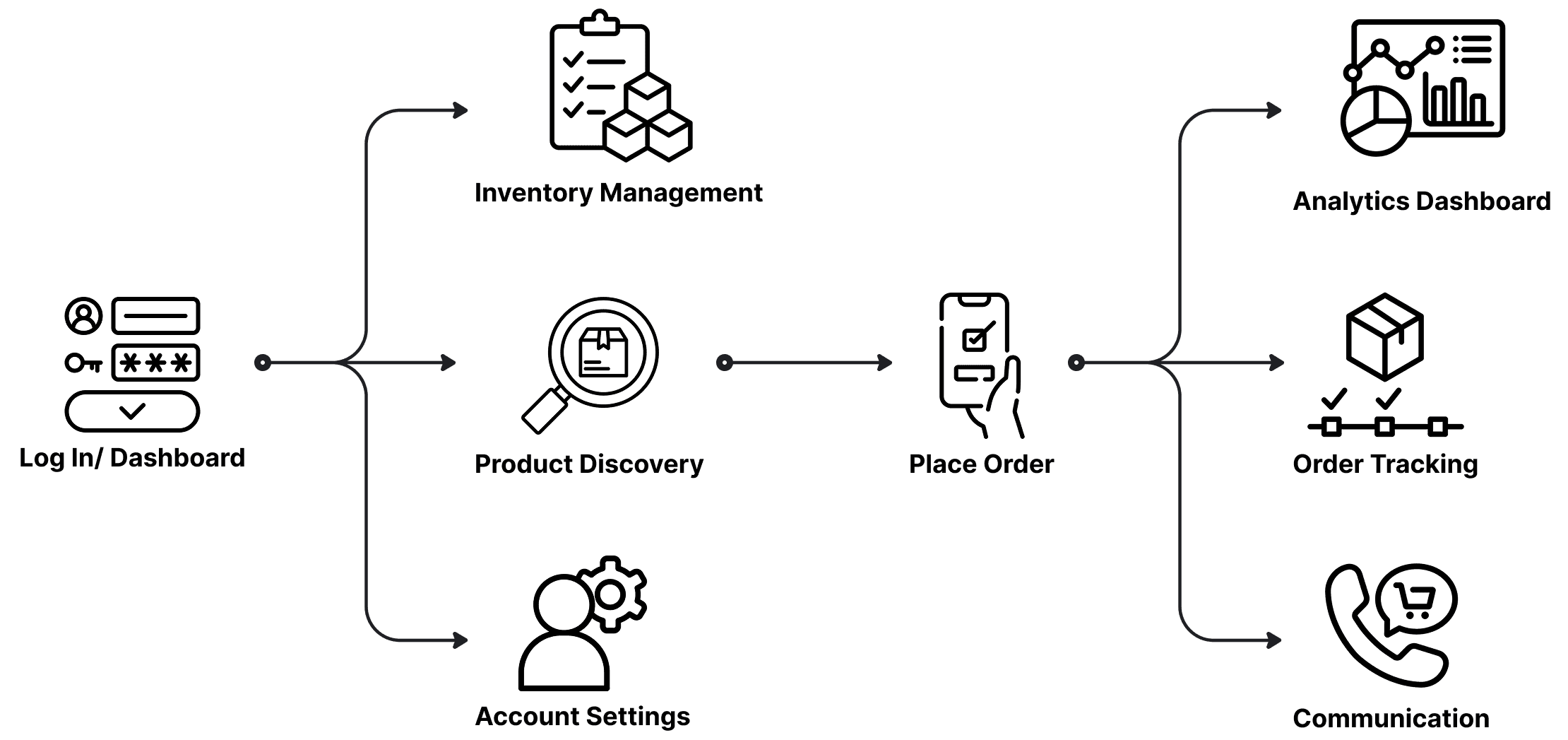
We used the client’s feedback to iterate on the final user flow from both the user and business perspective
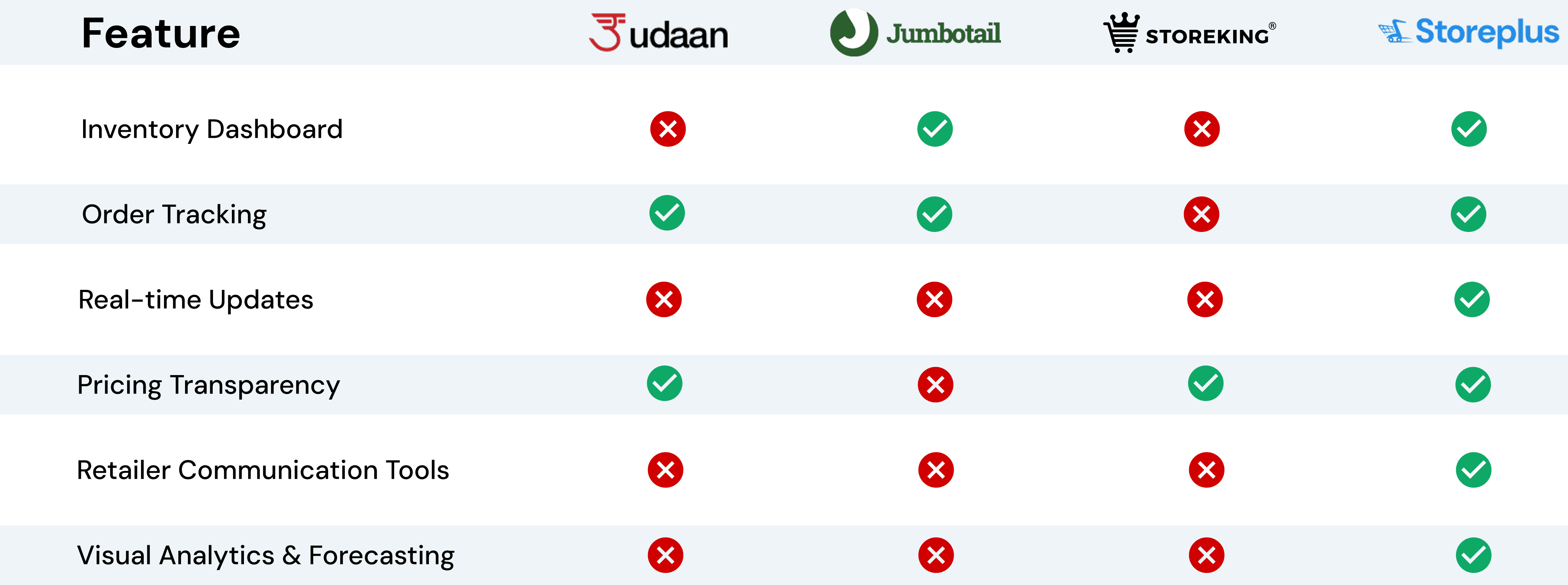
COMPETITOR ANALYSIS
How did we gain the competitive edge
Insights I gathered by performing competitor analysis:
Most platforms prioritize product listings but lack a unified dashboard for order tracking and inventory visualization.
Few platforms support communication features between wholesalers and retailers.
Pricing transparency and real-time updates are inconsistently implemented.
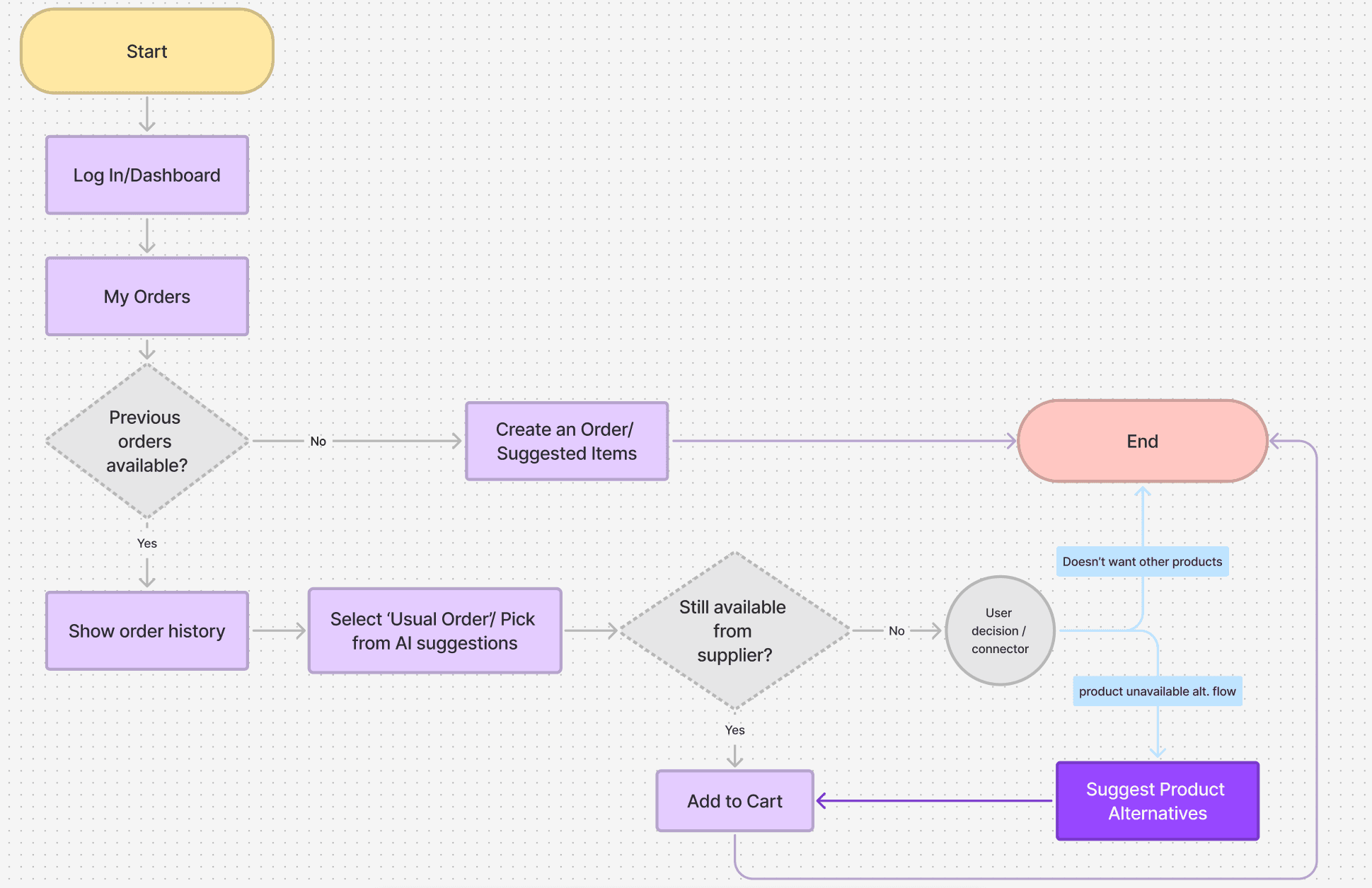
USER TASK FLOWS
Mapping out the user flow
To ensure the application addressed real-world usage, I designed task flows that accounted for multiple user scenarios, including edge cases. By mapping these flows, I was able to test how users would move through the system, uncover usability gaps, and refine the overall interaction design
Example Task: Allow the user to quickly add an order to cart by reusing details from a past purchase
Assumption: User already has an account

The Final Solution.
What is Storeplus.AI?
StorePlus.AI is a smart management system which brings into one simple platform
inventory tracking
order management
communication
“With Storeplus, businesses can stay organized, avoid delays, and work together more smoothly”
the final solution

major design decisions
But, How Did We Really Help Our Users?

BEFORE
Major Design Decision #1
Pain Point 1- Dashboard

The dashboard lacks depth and context, making it difficult for users to gain actionable insights at a glance

Added customizable sections and quick actions to reduce time on task
reduced long tables and excess data points, making it easier to scan key information


Redesign

used data hierarchy and progressive disclosure to prioritize high-priority information, displaying key data first with a "View More" option for details
Major Design Decision #2
Pain Point 2- Inventory Page

struggled to locate and track specific orders due to the lack of filtering options, visual status indicators, and an overwhelming data layout


Quick lookups
Status monitoring
Daily Operational Tasks
Labels for visual prioritization
Before
Completed
Processing
Rejected
Variations
⏳ Processing
Processing
Processing
After
Completed
Processing
Rejected
I chose the third variation for its strong visual hierarchy, consistent color signaling, and improved readability, making the order status easily scannable in dense data tables.
Scannable
Passes Accessibility
Readable in dense data table
Major Design Decision #3
Pain Point 3- Invoice Page

Users were unable to track partial payments or invoice status, leading to manual follow-ups and missed financial details

Task Efficiency
Information Clarity
Enterprise Usability
✅
Invoice Layout Optimized for Scanability
Structured invoice metadata in a two-column layout to align with users’ mental models from traditional invoicing.
🤝
Transparent Payment BreakdowN
Chronological, upfront information, color-coded improved trust and clarity—validated by 6 finance managers in usability testing.
Before


User Test I revealed a lack of perceived control due to AI-generated invoices, which led to user hesitation.
After


Introducing an “Edit Invoice” option restored a sense of agency, significantly improving user trust and overall comfort with the AI-assisted workflow.

Added clear status feedback to reduce hesitation in AI-generated flows, after users in early testing were unsure if the invoice was sent.
system transparency
build user confidence
Impact
User adoption shot up within 3 months of launch
Smart invoicing and real-time tracking reduced errors and boosted retailer confidence, leading to 3x higher repeat usage on StorePlus.

my learnings
Lessons from the project I carry forward

Design Decisions Are Stronger with Data

Great UX Happens When Designers & Developers Sync

The Best Designs Evolve with User Feedback

Almach Labs
Led 0→1 Modular dashboard design to turn operational data into actionable insights
B2B
Enterprise Tool
Shipped


Want to skim through this case study? I got you covered.
Here’s a 1 min TL;DR version
My Role
👤 Solo UX designer responsible for redesigning order tracking from research through validation
👥 Led end-to-end design working with 1 PM and 3 engineers under 8-week deadline to prevent client churn
Solution
Built dual-mode interface: table view for scanning 50+ orders, expandable timeline for detailed tracking with threaded messages, photos, and commitment tracking.
Impact/Results
⏱️ Reduced time on task by 60%
💰 Protected ₹2.4M in annual revenue
🧠 Reduced cognitive load
CONTEXT
About the Product
StorePlus is a B2B commerce platform digitizing small retail supply chains across India.
The platform enables retailers to browse inventory, place orders, track fulfillment, generate invoices, and manage supplier relationships.
100+
Wholesalers
200+
Retailers
5K+
Orders last month
This case study focuses on Order Tracking- one of the three core features I designed for the product.
BEFORE/AFTER
old system vs. revamped version

old application
what was not working
Lack of Real-Time Insights Slowed Business Decisions
No Direct Inventory Actions from Dashboard Increased Workflow Friction
Fragmented Order Information Required Extra Navigation

revamped version
changes we made
Interactive Sales Graph for Better Performance Tracking
One-Click Inventory Updates
Redesigned Order Cards to Show Key Info at a Glance
Adopted a Modular UI to Improve Visual Hierarchy and Scannability
the result
THE IMPACT I MADE WITH MY DESIGNS
Since 2 months of adoption, the system has facilitated over 10,000 transactions between wholesalers and retailers, improving overall user satisfaction scores by 75%
20%

boost in sales for retailers
25%

increase in inventory accuracy
40%

reduction in order errors
WHY REDESIGN?
The client came to us with 3 major problems in the current Storeplus app, asking us to evaluate the current product and rebuild it with more features to provide better user experience.
01
🗯️Fragmented Communication
Retailers and distributors rely on scattered tools, leading to delays and miscommunication
02
📋Manual Inventory Tracking
Stock levels are updated manually, increasing chances of errors and over/understocking
03
📦Lack of Order Visibility
Retailers struggle to track order status, which affects planning and customer satisfaction
MY ROLE + APPROACH
As a Product Designer, I redesigned the experience and added an embedded communication system in the platform to build human trust

Diving deeper into the project
Let’s start from the beginning
RESEARCH
I conducted research across three methods to understand where
trust broke down and why users relied on WhatsApp instead

4/10
users missed shipments led to a 15% drop in orders
9/10
spend over 10 hours a week manually managing orders and inventory
Surveys & Interviews

🧑💼 4 wholesaler interviews; 4 retailer interviews
📋 50 surveys
I interviewed key stakeholders across the supply chain—including
NGOs
Food banks
Retail store managers
Warehouse/logistics partners
Local farmers
These conversations informed the foundation of Storeplus.
Observations
Goal:
Study how wholesalers and retailers manage bulk inventory, demand-supply shifts, and stock issues by observing store operations and analyzing B2B forums for recurring inefficiencies.
Methods used:
Shadowing, Online Ethnography, Diary Studies. We conducted 4 sets of observations of 30-90 minutes each.


In-depth Research Plan
MARKET POTENTIAL
Research revealed users had data but didn't trust it; the problem wasn't missing information, it was a credibility crisis
💼
The global AI in retail market is projected to grow from $31 billion in 2024 to $165 billion by 2030
📦
82% of retailers report that real-time inventory visibility is a top priority
🌍
Small-to-mid-size retailers make up over 90% of the global retail sector
USER PERSONA
Meet Rob

Note: Rob’s persona was built based on data gathered from user research
01
"I need one place to manage everything."
Insight: A real-time dashboard would simplify tracking inventory, orders, and payments.
02
"I can’t keep chasing down retailers."
Insight: He needs a built-in communication tool to confirm orders instantly.
03
"Losing track of payments is costing me."
Insight: Automated invoicing and payment tracking would keep his finances in check.
The Problem Statement
🧠 How might we create a unified, low-friction platform that simplifies inventory and order management for small businesses driving adoption, operational efficiency, and long-term user retention?
IDEATING & BRAINSTORMING
The Power of Collective Thinking


I facilitated three brainstorming sessions with my team to explore potential solutions. These included
individual ideation
a group session
a co-creation session with an external domain expert.
This approach helped us gather diverse perspectives from both design and business standpoints.
Filtered ideas based on technical feasibility and operational scalability
Presented two refined solution flows to the client for feedback and direction.

We used the client’s feedback to iterate on the final user flow from both the user and business perspective
COMPETITOR ANALYSIS
How did we gain the competitive edge
Insights I gathered by performing competitor analysis:
Most platforms prioritize product listings but lack a unified dashboard for order tracking and inventory visualization.
Few platforms support communication features between wholesalers and retailers.
Pricing transparency and real-time updates are inconsistently implemented.

USER TASK FLOWS
Mapping out the user flow
To ensure the application addressed real-world usage, I designed task flows that accounted for multiple user scenarios, including edge cases. By mapping these flows, I was able to test how users would move through the system, uncover usability gaps, and refine the overall interaction design
Example Task: Allow the user to quickly add an order to cart by reusing details from a past purchase
Assumption: User already has an account

The Final Solution.
What is Storeplus.AI?
StorePlus.AI is a smart management system which brings into one simple platform
inventory tracking
order management
communication
“With Storeplus, businesses can stay organized, avoid delays, and work together more smoothly”
the final solution

major design decisions
But, How Did We Really Help Our Users?

BEFORE
Major Design Decision #1
Pain Point 1- Dashboard

The dashboard lacks depth and context, making it difficult for users to gain actionable insights at a glance

Added customizable sections and quick actions to reduce time on task
reduced long tables and excess data points, making it easier to scan key information


Redesign

used data hierarchy and progressive disclosure to prioritize high-priority information, displaying key data first with a "View More" option for details
Major Design Decision #2
Pain Point 2- Inventory Page

struggled to locate and track specific orders due to the lack of filtering options, visual status indicators, and an overwhelming data layout
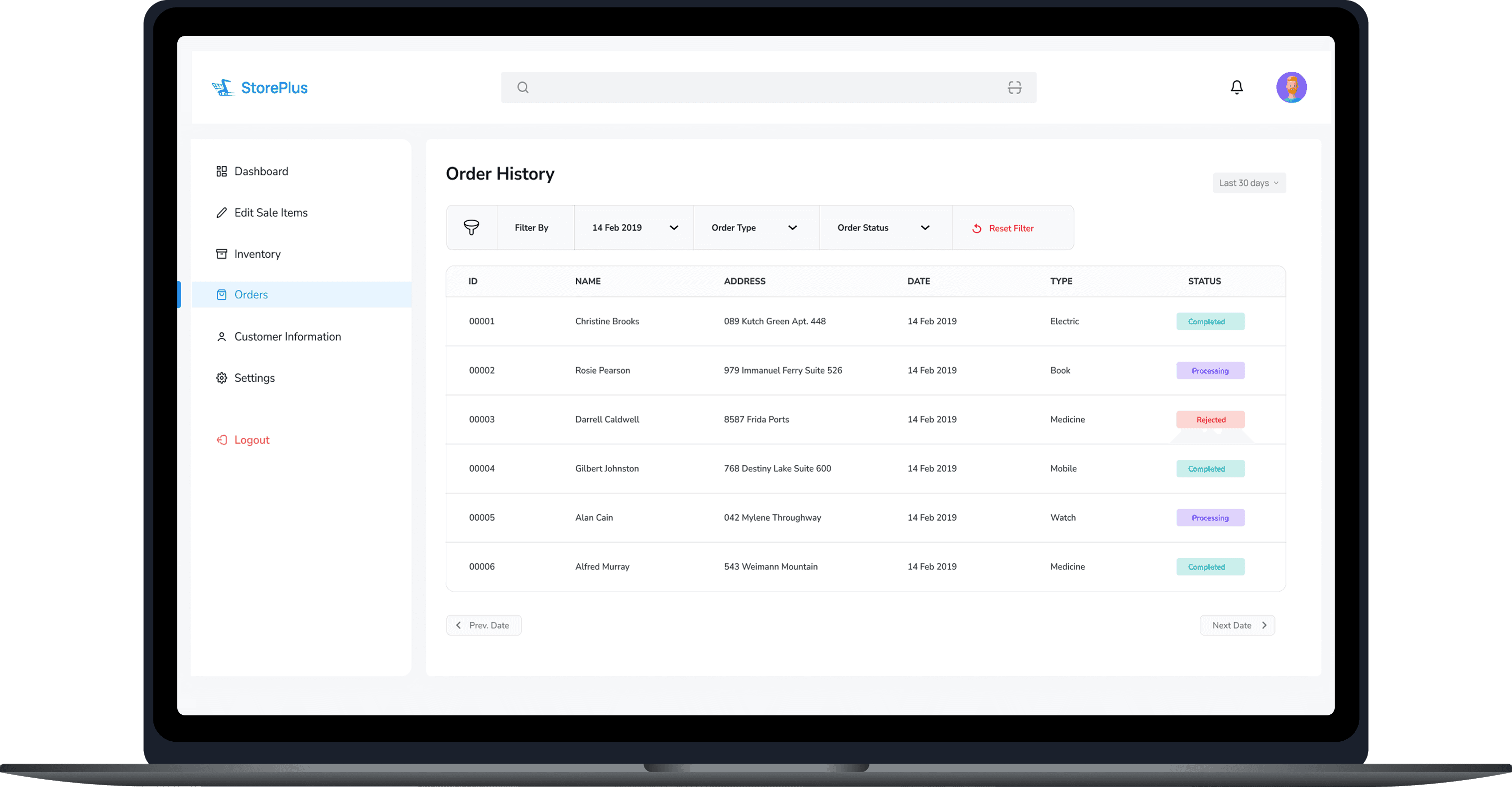

Quick lookups
Status monitoring
Daily Operational Tasks
Labels for visual prioritization
Before
Completed
Processing
Rejected
Variations
⏳ Processing
Processing
Processing
After
Completed
Processing
Rejected
I chose the third variation for its strong visual hierarchy, consistent color signaling, and improved readability, making the order status easily scannable in dense data tables.
Scannable
Passes Accessibility
Readable in dense data table
Major Design Decision #3
Pain Point 3- Invoice Page

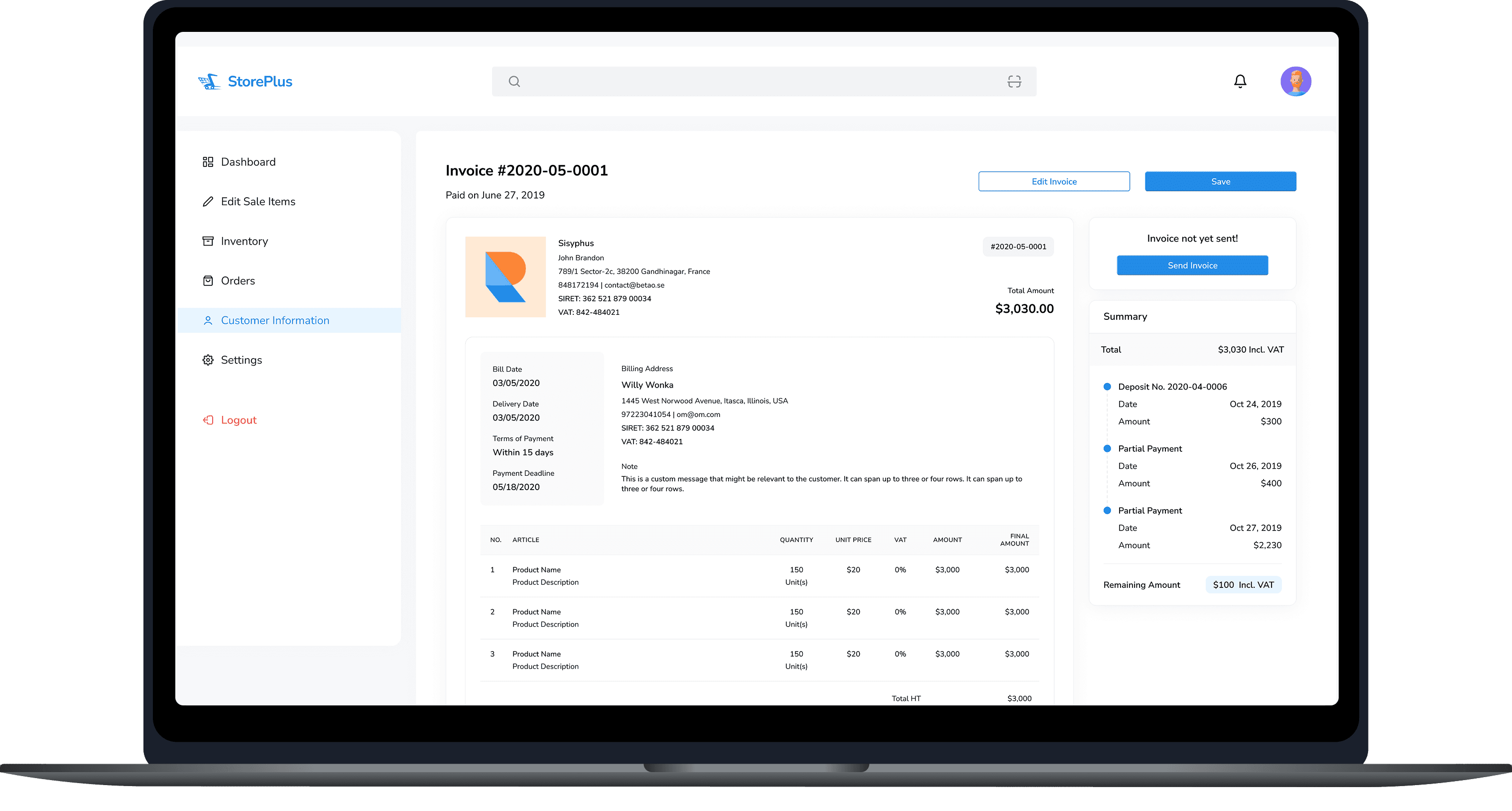
Users were unable to track partial payments or invoice status, leading to manual follow-ups and missed financial details
Task Efficiency
Information Clarity
Enterprise Usability
✅
Invoice Layout Optimized for Scanability
Structured invoice metadata in a two-column layout to align with users’ mental models from traditional invoicing.
🤝
Transparent Payment BreakdowN
Chronological, upfront information, color-coded improved trust and clarity—validated by 6 finance managers in usability testing.
Before


User Test I revealed a lack of perceived control due to AI-generated invoices, which led to user hesitation.
After


Introducing an “Edit Invoice” option restored a sense of agency, significantly improving user trust and overall comfort with the AI-assisted workflow.
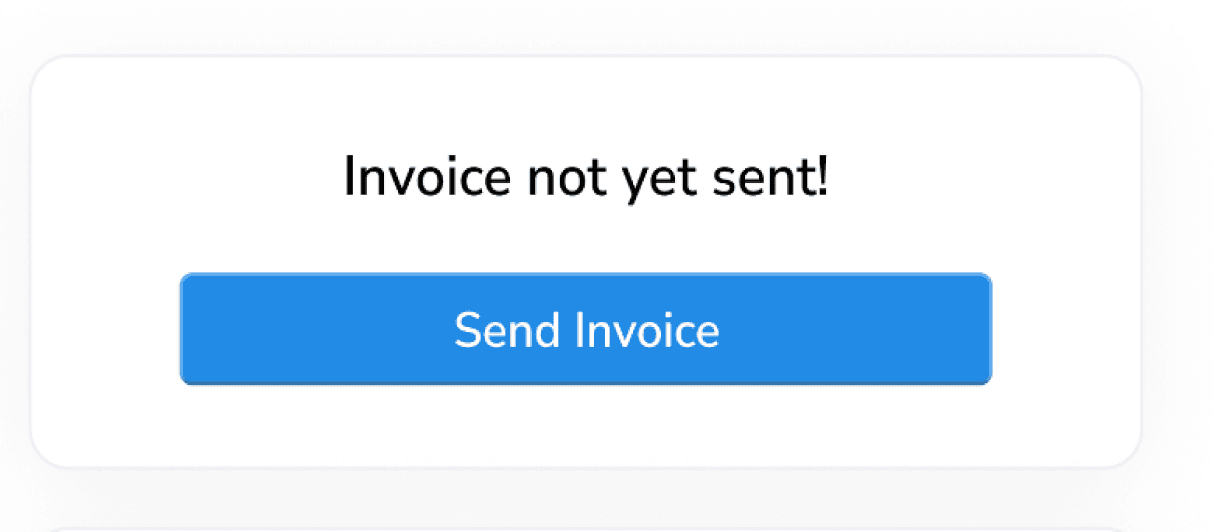
Added clear status feedback to reduce hesitation in AI-generated flows, after users in early testing were unsure if the invoice was sent.
system transparency
build user confidence
Impact
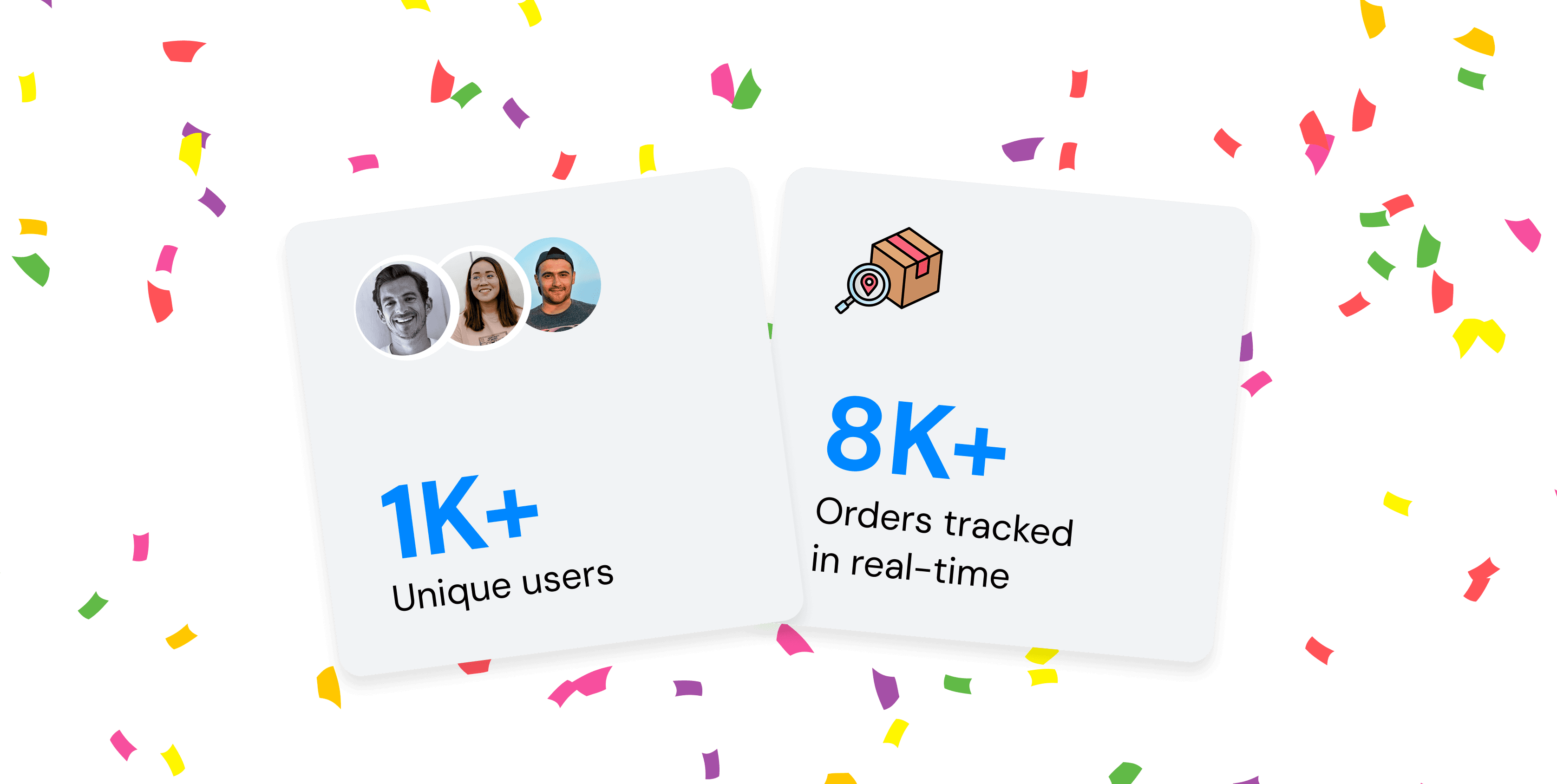
User adoption shot up within 3 months of launch
Smart invoicing and real-time tracking reduced errors and boosted retailer confidence, leading to 3x higher repeat usage on StorePlus.
my learnings
Lessons from the project I carry forward

Design Decisions Are Stronger with Data

Great UX Happens When Designers & Developers Sync
The Best Designs Evolve with User Feedback